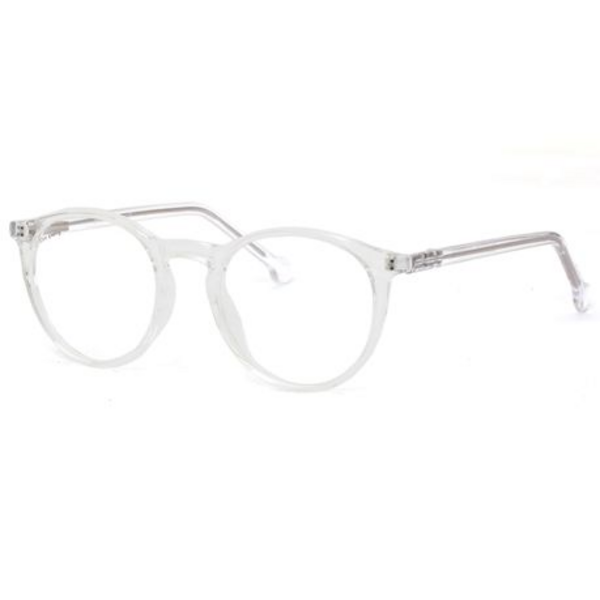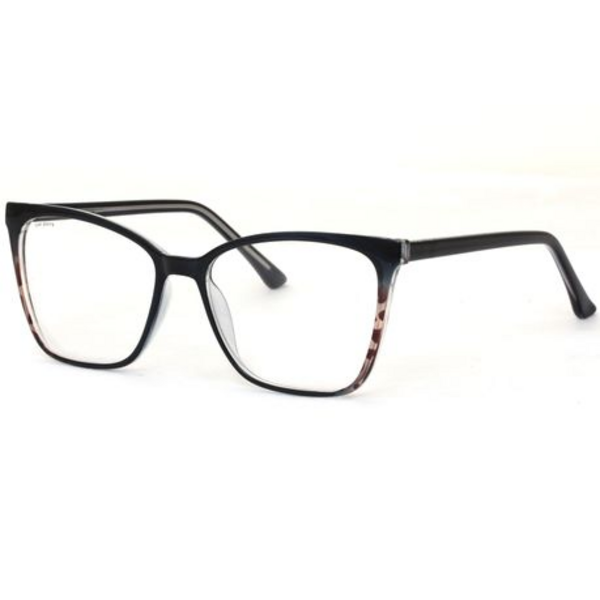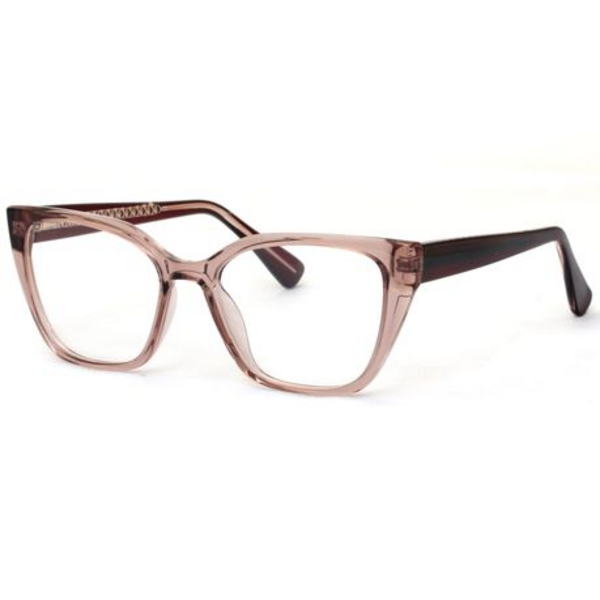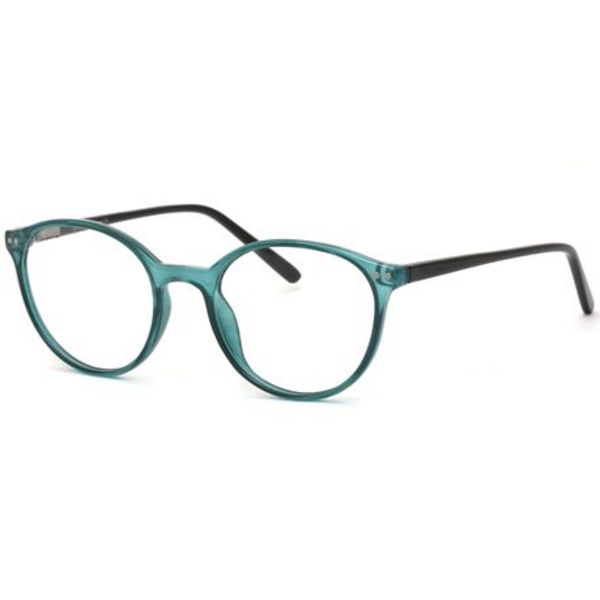

Somewhere in your forties, the restaurant menu starts to drift out of focus and your phone ends up at arm’s length. Ready-made reading glasses fix that for most people, and in South Africa you can buy them almost anywhere: at the pharmacy, at a chain-store till, from an optometrist or online.
They are not all the same purchase, though. Two pairs can look identical on a rack, but the strength range, the lens quality, the fit and whether anyone checks your eyes all differ. This guide compares the options honestly, including the cases where buying from us is not the right call.
First, check that ready-made readers are right for you
Reading glasses help with presbyopia, the gradual stiffening of the lens inside the eye that makes close focus harder from about 40 onwards. It happens to almost everyone, and a pair of readers with the same magnification in both lenses is the standard fix.
Ready-made readers are not the answer if:
- one eye sees noticeably differently from the other;
- distant things are blurry too, not just close ones;
- things look smeared or doubled at every distance, which can be astigmatism;
- your vision changed suddenly, or the blur comes with pain, flashes or headaches.
In any of those cases, book an eye test before buying anything. The rest of this guide assumes simple, age-related blur up close.
Your options in South Africa
Pharmacies and chain stores
Pharmacies such as Clicks and Dis-Chem, and value retailers such as PEP, sell ready-made readers off a rack. The big advantage is that you can try a few strengths on the spot and walk out with a pair. They make good spares for the car, the kitchen drawer or a handbag.
The trade-offs: the choice of frames is usually small, the lens details (coatings, scratch resistance, frame measurements) are not always printed on the packaging, and nobody checks your eyes. If a pair gives you a headache, treat that as a sign it is the wrong strength for you, not something to push through.
Optometrists
An optometrist, whether at a chain such as Specsavers or an independent practice, tests your eyes and can prescribe lenses made for you: a different strength for each eye, correction for astigmatism, and multifocal or varifocal lenses that cover reading and distance in one pair.
It costs more and takes longer, but it is the only route that also tells you whether your eyes are healthy. Many South African medical aid schemes include an optical benefit that covers an eye test and part of the cost of glasses, so check yours before paying out of pocket.
Buying online
Online shops, ours included, usually offer a far wider choice of frames, list the measurements and lens features on every product page, and deliver to your door. The obvious drawback is that you cannot try them on first. Two things close most of that gap: comparing the frame measurements with a pair you already find comfortable, and a returns policy that lets you swap a strength or a frame that does not suit.
Our blue light reading glasses come in +1.00, +1.50 and +2.00, with the same strength in both lenses. Each listing gives the frame measurements and lens features, and you have 30 days from delivery to return or exchange an unworn pair. We do not make prescription lenses, so if you need anything beyond one matching strength, the optometrist route is the right one.
Choosing a strength without a test
If you already have readers that work, buy the same strength again. If not, your age gives a reasonable starting point:
| Age | Typical starting strength |
|---|---|
| Early 40s | +0.75 to +1.00 |
| Mid to late 40s | +1.00 to +1.50 |
| 50 to 55 | +1.50 to +2.00 |
| 55 to 60 | +2.00 to +2.50 |
| 60 and over | +2.50 to +3.00 |
Treat the table as a rule of thumb, not a prescription. Your own eyes decide, and the arm’s-length test is the quickest way to check:
- Hold a book or your phone where you would like to read it, about 35 to 40 cm from your eyes.
- If the text blurs and you find yourself pushing it out towards arm’s length, you need magnification.
- With readers on, normal-sized print should be sharp at that comfortable distance. If you have to bring it closer than usual, the pair is too strong. If you still push it away, it is too weak.
Screens shift the numbers a little. A desktop monitor sits further away than a book, so many people are more comfortable one step weaker for screen work, for example +1.50 if they read with +2.00. Our computer glasses guide explains why, and the reading strength guide goes deeper into the numbers.
Our range stops at +2.00. If the table points you to +2.50 or stronger, see an optometrist: at that stage a proper test is worth having anyway.
What to check before you buy, wherever you shop
- The strength is marked. It should be on the frame, a lens sticker or the listing. Write yours down for next time.
- A steady view. Look at a line of text through the lenses. It should look sharp and settled, not swim, double or tug at your eyes.
- The fit. The frame should sit level and not pinch behind the ears or slide down your nose. Online, compare lens width, bridge and temple length with a pair you own; our guide to measuring a frame at home shows how.
- Lens extras. Scratch resistance and an anti-reflective coating make a real difference on a pair you use every day. A blue light filter is optional: the evidence that it reduces eye strain is weak, as our summary of the 2023 Cochrane review explains.
- What comes with it. Readers that live loose in a bag get scratched. Ours come with a microfibre cloth, and each product page lists what else is in the box.
Why most people end up with two or three pairs
Readers only work close up, so they spend a lot of the day being taken off and put down somewhere. Most people settle on a pair at the desk, one in the bag or car and one next to the bed. Plenty also keep a slightly weaker pair just for the computer.
If you are buying more than one, delivery from us is free on any two pairs of blue light glasses, readers or Move sunglasses, in any mix, or on any order of R1,500 or more. Otherwise it is R80 in Gauteng and R150 elsewhere in South Africa. Here are a few frames to start with:
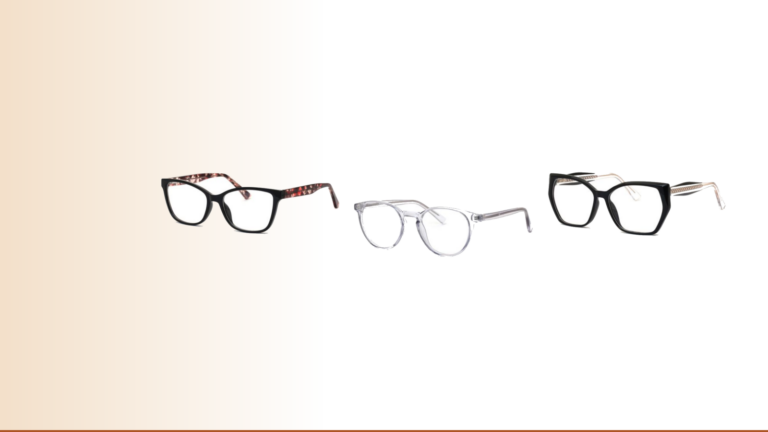
- SL318 unisex readers, a light, everyday shape;
- SL472 men’s readers, a classic rectangle;
- SL357 women’s readers, a softer shape;
- SL307 photochromic readers, which darken outdoors for reading in the sun.
When to see an optometrist instead
- you have not had an eye test in the last two years;
- readers help, but text is still not completely clear;
- you need +2.50 or more;
- you have diabetes, high blood pressure or a family history of glaucoma, all of which make regular eye checks more important;
- you notice any sudden change in vision, eye pain, flashes or new floaters. Go promptly; do not wait.
Readers are a convenience for close work. They are not a substitute for an eye examination, and the two work best together. Our reading glasses FAQs cover the common questions in short.
Frequently asked questions
Can I buy reading glasses without a prescription in South Africa?
Yes. Ready-made reading glasses are sold over the counter at pharmacies, chain stores and online. They suit simple, age-related blur up close; anything more needs an eye test.
Can the wrong strength of reading glasses damage my eyes?
There is no evidence that the wrong strength damages your eyes. It can cause blur, eye strain and headaches while you wear them, which is a sign to change strength or get your eyes tested.
What reading glasses strengths does Aweh Eyewear sell?
Our blue light reading glasses come in +1.00, +1.50 and +2.00, with the same strength in both lenses. For anything stronger, or different strengths in each eye, see an optometrist.
Are blue light reading glasses better than normal readers?
For reading, the magnification does the work. The blue light filter is optional: a 2023 Cochrane review found such filters probably make little or no difference to eye strain, though some people like them for long screen sessions.