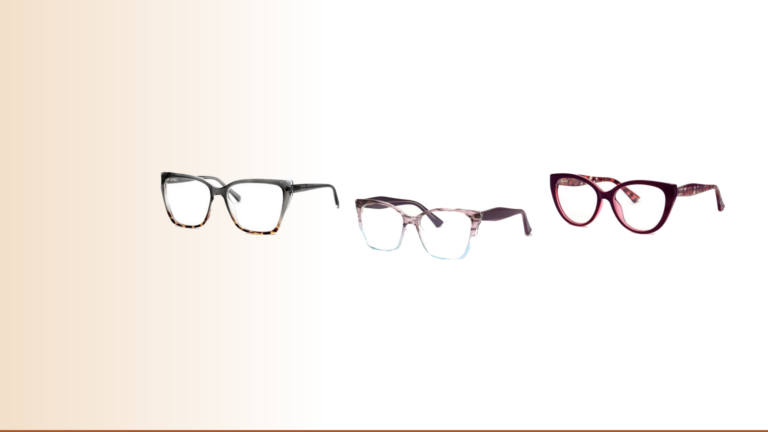

For eye strain, probably not. The most thorough review of the evidence so far, published by Cochrane in August 2023, found that blue-light filtering lenses may not reduce eye strain from computer work any better than ordinary clear lenses.
We sell blue light glasses, and we think you should know that before you buy a pair. Here is what the review found, what it could not answer, and the situations where a R349 pair still earns its place.
What the review looked at
Cochrane reviews collect every randomised trial on a question and weigh them together. This one, led by researchers at the University of Melbourne with colleagues at City, University of London, found 17 trials involving 619 adults in six countries.
Each trial compared blue-light filtering lenses with ordinary lenses. The trials were small, with between 5 and 156 people each, and they followed people for anything from less than a day to five weeks. The full review is free to read on PubMed Central, and Cochrane publishes a plain-language summary.
What it found
- Eye strain: there may be no difference in eye strain from computer use over the short term. The reviewers rated this evidence low certainty, which means better trials could still change the picture.
- Sharpness of vision: blue-light lenses probably make little or no difference to how clearly you see.
- Sleep: unknown. Of six trials with 148 people, three found better sleep scores with blue-light lenses and three found no difference, and the evidence was rated very low certainty.
- Eye health: none of the trials measured the health of the macula, the central part of the retina that handles detailed vision. There is no trial evidence either way that the lenses protect it.
- Side effects: these were infrequent. The ones reported included headaches, discomfort wearing the glasses and lower mood.
What that means in practice
The review does not say blue light glasses are harmful, and it does not say that long screen days are fine for everyone’s eyes. It says the specific promise on many packets, less eye strain because blue light is blocked, is not backed by good trial evidence.
Tired eyes after a day at a screen have more ordinary causes. You blink less when you concentrate, you hold one focus for hours, and glare from a window or overhead light makes you squint. Our piece on why your eyes feel tired after screens goes through each one.
The fixes cost nothing. Every 20 minutes, look at something about 6 m away for 20 seconds. Keep the screen at arm’s length and slightly below eye level, move it so windows are to the side, and blink on purpose when your eyes feel dry. If the symptoms do not settle, see an optometrist.
When a R349 pair still makes sense
You need reading glasses anyway. If small print has started to blur, usually from the mid-forties, magnification is what helps. Our blue light reading glasses come in +1.00, +1.50 and +2.00 at R349 for most frames, such as the SL470 men’s readers. The magnification does the work; the filter comes along with it.
Reflections bother you. An anti-reflective coating cuts the reflections of lights and windows that bounce off the lens itself, and that is a real optical effect. Our SL range lists an anti-reflection coating, including plano frames such as the SL461 at R349.
You go in and out all day. A photochromic pair such as the SL311 at R399 stays clear indoors and darkens in sunlight, and the listing gives UV400 protection. That is useful if you walk between the office and the car park several times a day.
You simply like them. Some people find the view through a coated lens more comfortable, and a review of averages cannot rule that out for you. Liking a pair is a fair reason to buy one. It is just not the reason printed on most packets.
What we will not claim
We will not tell you that blue light glasses cure eye strain, stop headaches, fix your sleep or protect you from macular degeneration. The trials do not support those claims, and our research page sets out where we stand.
If you have headaches, blurred vision, double vision or eye pain that does not go away, a filter is not the answer. Those are reasons to book an eye test, because an uncorrected prescription is a common and fixable cause.
How we’d choose
- Under 40 and reading is easy: you do not need them. If you want a pair for comfort or the coating, a plano screen pair at R349 is enough.
- Over 40 and small print blurs: blue light readers at R349, choosing the weakest strength that lets you read comfortably.
- In and out all day: a photochromic pair at R399.
- Symptoms that persist: an optometrist before any glasses.
Our computer glasses guide covers choosing a strength for screen distance and reading a lens spec sheet.
Frequently asked questions
Do blue light glasses prevent eye strain?
The 2023 Cochrane review found they may not reduce eye strain from computer work compared with ordinary lenses, although the evidence is low certainty. Regular breaks, deliberate blinking and a well-placed screen are what optometrists recommend.
Do blue light glasses help you sleep?
Nobody knows yet. Of six trials in the Cochrane review, three found better sleep scores and three found no difference, and the reviewers rated the evidence very low certainty.
Are blue light glasses bad for your eyes?
There is no evidence that they damage your eyes. The Cochrane review found side effects were infrequent, and the ones reported were headaches, discomfort wearing the glasses and lower mood.