Blue light gets blamed for two different things, and it is worth separating them, because the evidence is not the same in both cases.
The eye strain claim
This is the weaker of the two. Trials of blue-light-filtering lenses have generally not shown a measurable reduction in digital eye strain compared with ordinary clear lenses. The causes of that strain appear to be mechanical: reduced blinking, sustained close focus, screen position and glare. Those are addressed by habit and setup rather than by a filter.
The sleep claim
Here there is a real mechanism. The eye contains cells that are not primarily for vision at all; they signal to the body’s internal clock, and they are most sensitive to light in the blue part of the spectrum. Light at those wavelengths in the evening suppresses melatonin, the hormone that rises ahead of sleep, and shifts the body clock later.
That much is well established. The question is how much of it a screen at arm’s length is really doing.
Where it gets more modest
The studies that established the effect most dramatically generally used bright light sources for extended periods. A phone or laptop at typical brightness is a much weaker stimulus than daylight, which is many times brighter than any indoor screen.
Trials of blue-light-filtering glasses and night-mode screen settings have produced mixed results. Some find a small improvement in sleep onset; others find little. Where an effect appears, it tends to be modest rather than transformative.
There is also a confound that is hard to separate: what people do on screens late at night is stimulating in itself. Work email, social media and an absorbing series all keep you alert for reasons that have nothing to do with wavelength. Filtering the blue light does not make the content less activating.
What is worth doing
- Get bright light early. This is the better-supported half and the one people skip. Daylight in the morning anchors the body clock more effectively than avoiding light at night does. Get outside within an hour or two of waking.
- Dim everything in the evening, not just screens. Overhead room lighting is often a larger contributor than the phone.
- Put the phone down before bed, which addresses the stimulation as well as the light.
- Use night mode if you like it. It is free and the warmer tint is easier on the eye in a dark room, whatever it is doing to melatonin.
Where the glasses fit
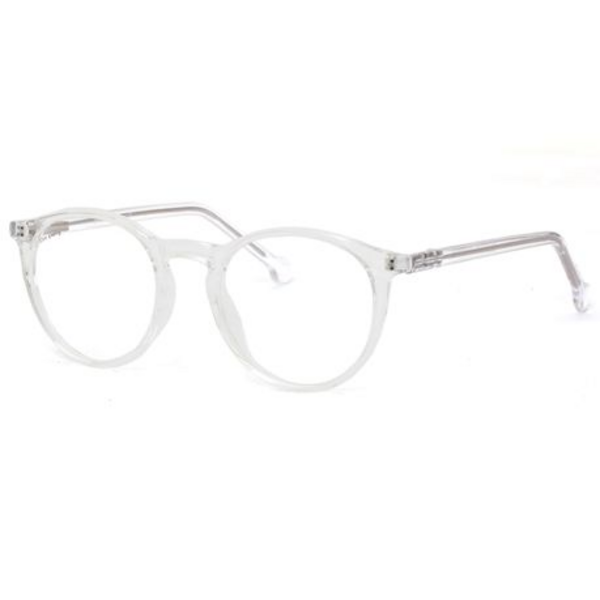
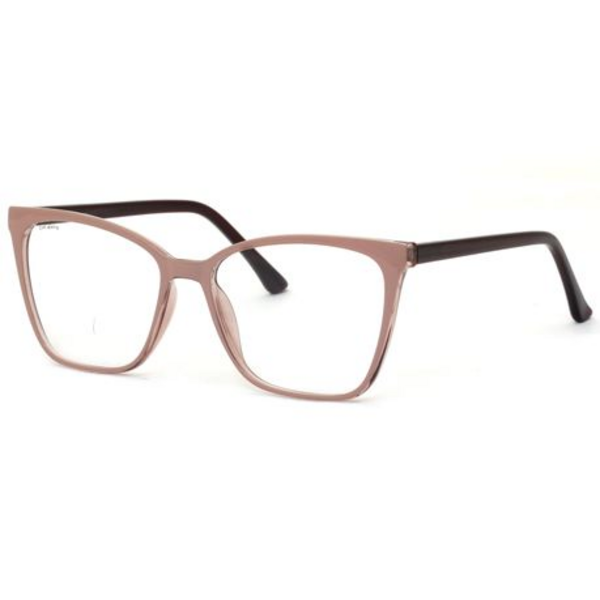
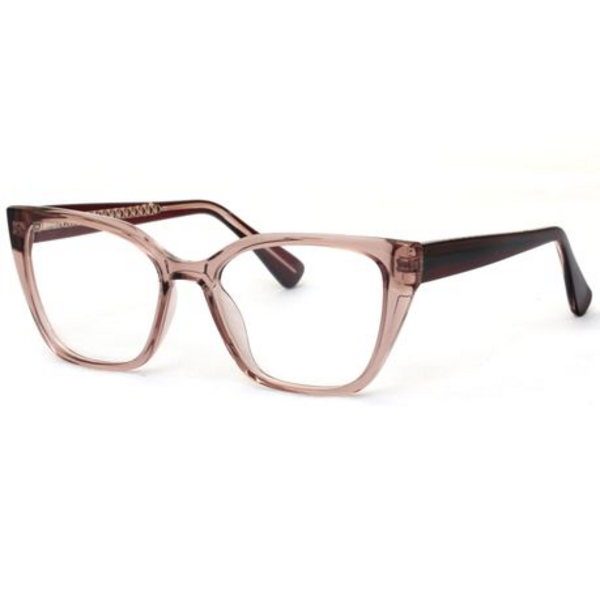
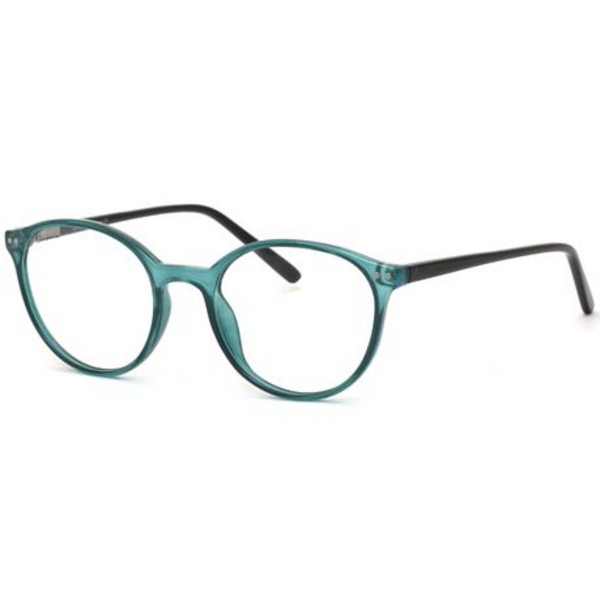
If you wear blue-light lenses in the evening and find you sleep better, that is a real outcome and no reason to stop. What is not supportable is the stronger claim that they solve eye strain or that they are a substitute for changing when and how you use screens. Bought on that understanding, they are a reasonable purchase. Bought as a medical fix, they are likely to disappoint.
Persistent sleep problems are worth raising with a doctor rather than treating with eyewear.