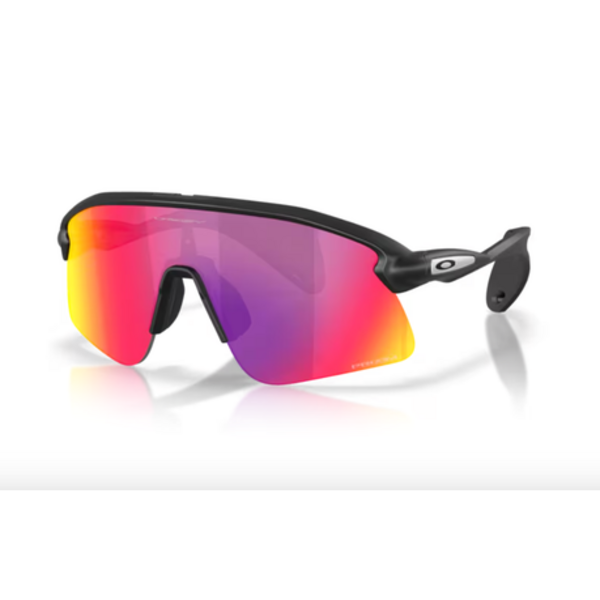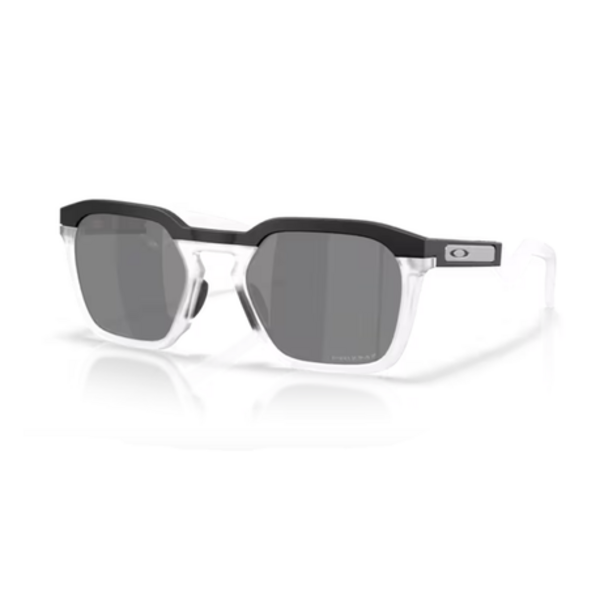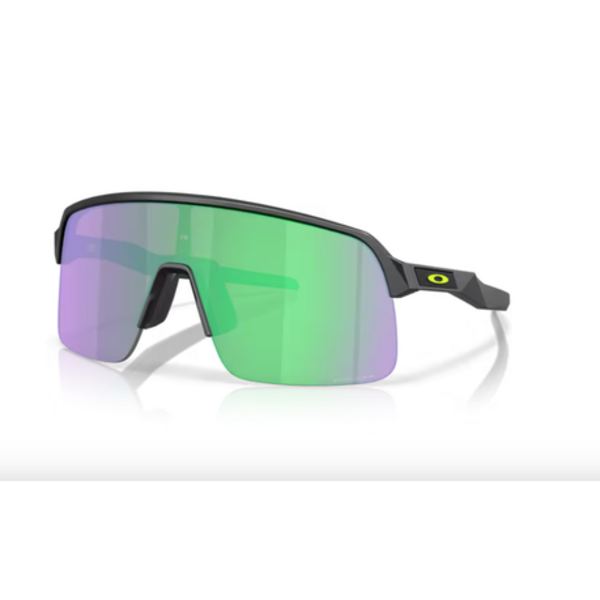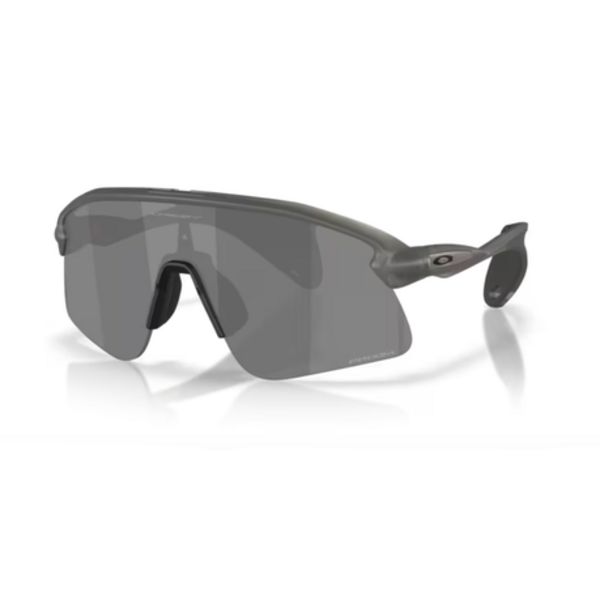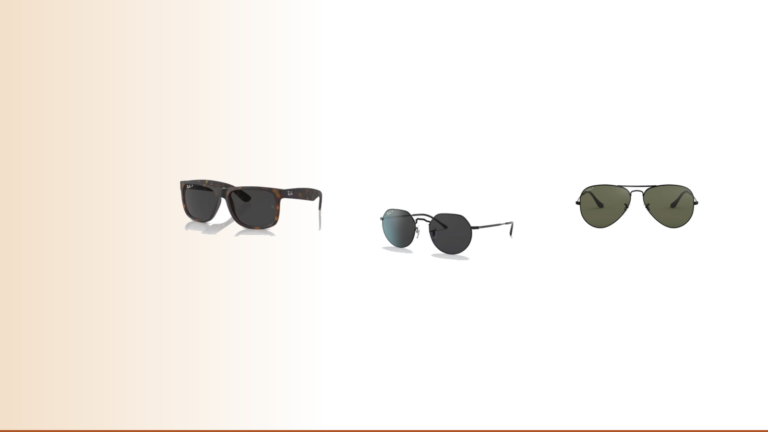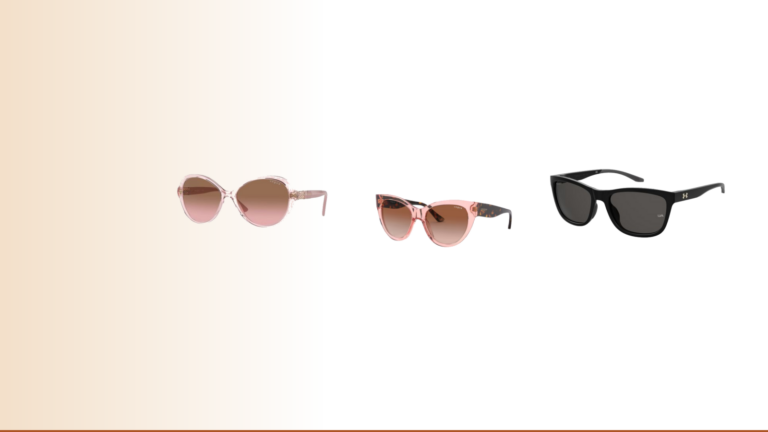
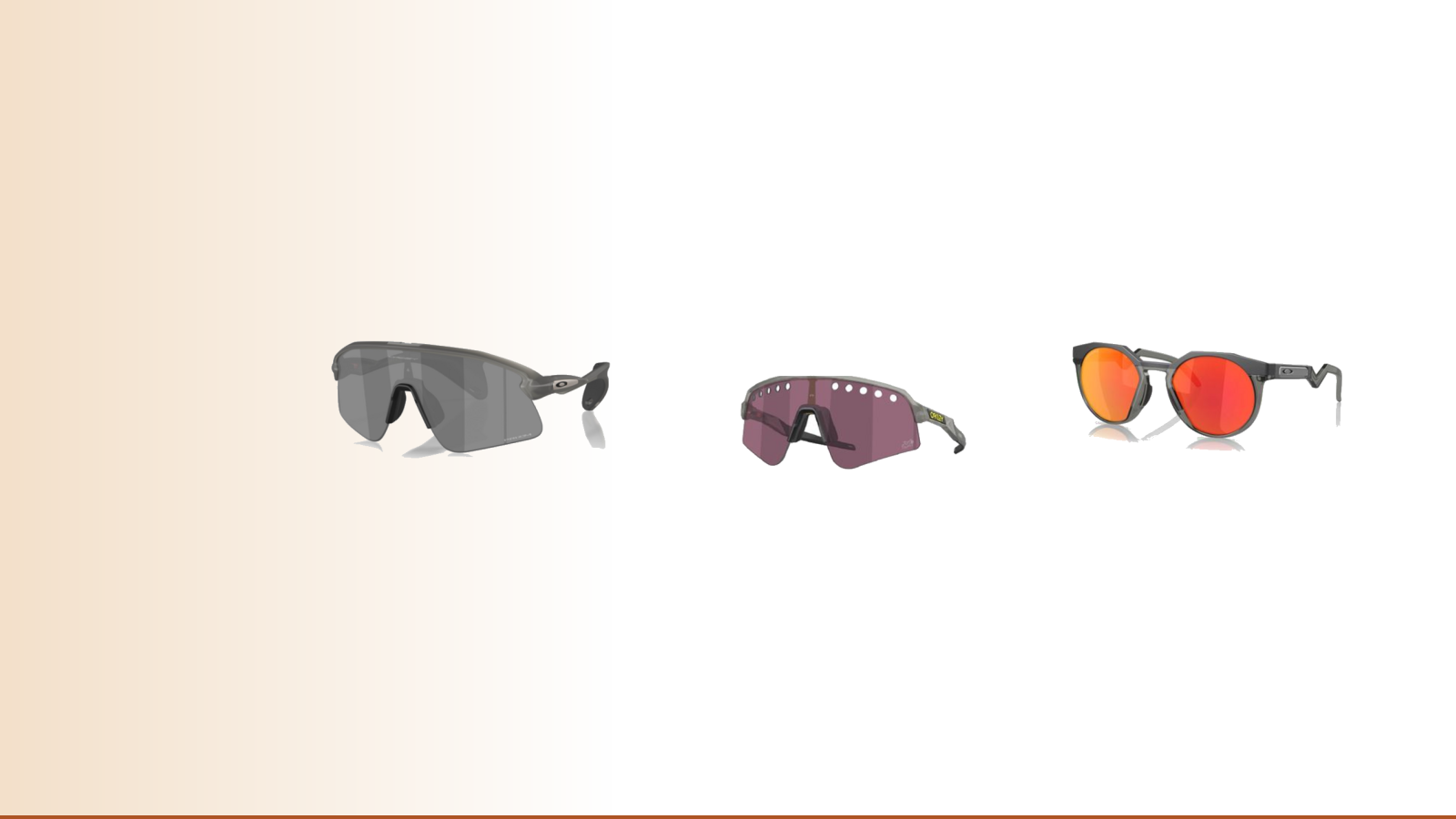
Sport eyewear is a category where the technical differences are real. A frame that stays put through a descent and does not fog on a climb is doing something a fashion frame cannot.
Fit comes first
Everything else is irrelevant if the glasses move. Look for rubberised nose pads and temple tips, which grip better as they get damp, and for a frame with enough wrap to stay in contact with your head rather than perched on it.
The practical test is simple: put them on, look down at your shoes and shake your head. If they shift, they will shift at speed.
If you cycle, check them in your riding position rather than standing up. On a road bike your head is tilted and you are looking out from the top of your eye socket, which means you can end up looking over the top of a frame that felt fine in the shop. A deeper lens and a bit of wrap fix this.
Coverage and wrap
Wrapped frames are not just styling. They block light and wind coming in from the sides, and at speed the wind matters as much as the light: airflow across the eye dries the tear film, which is what makes your eyes stream on a fast descent.
Coverage is also the impact case. Grit, insects and road spray all arrive at speed, and a lens is the cheapest protection available.
Venting and fog
Fogging is the most common complaint, and it happens when warm, humid air off your face meets a cooler lens. The usual causes are stopping after a hard effort, or a frame sitting so close to the face that air cannot move.
Vents in the top edge of the lens, and nose pads that hold the frame slightly off the face, both let airflow carry moisture away. If you ride in humid conditions, this is worth more than any lens tint.
Lens choice
- sunglasses/polarized/" class="autolink">Polarised: excellent for road glare and open water. Worth knowing that it can make it harder to read a wet or icy patch on tarmac, and it can interfere with some cycling computer screens.
- Contrast or rose-based tints: popular on the trail because they help pick out roots and ruts in dappled light.
- Interchangeable lenses: genuinely useful if you train early or late, when a dark lens becomes a liability.
- Clear or very light lenses: the right answer for dawn and dusk. The frame is still doing its job as protection.
What to skip
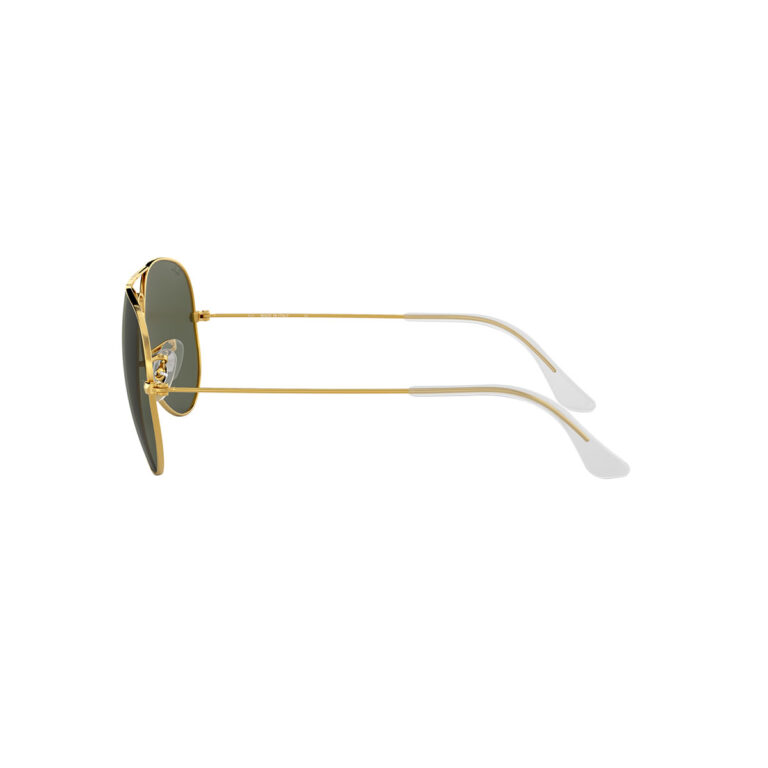
Very dark lenses for trail running, where you move constantly between bright open ground and deep shade and your eyes cannot adapt fast enough. And any frame with metal parts near the eye, which is exactly what you do not want in a fall.