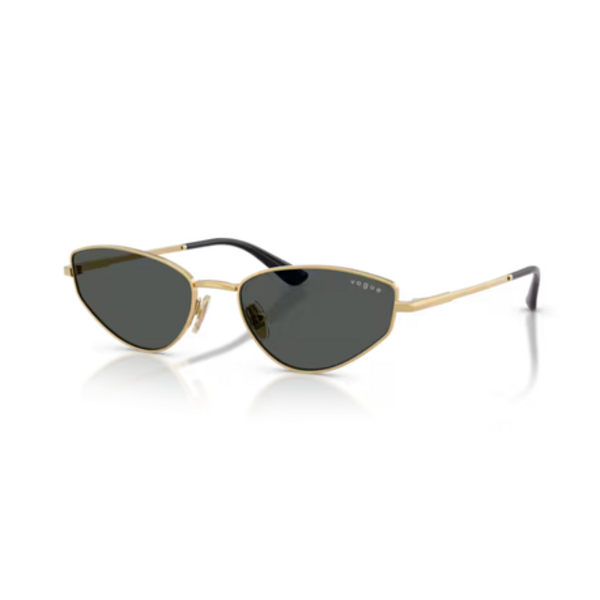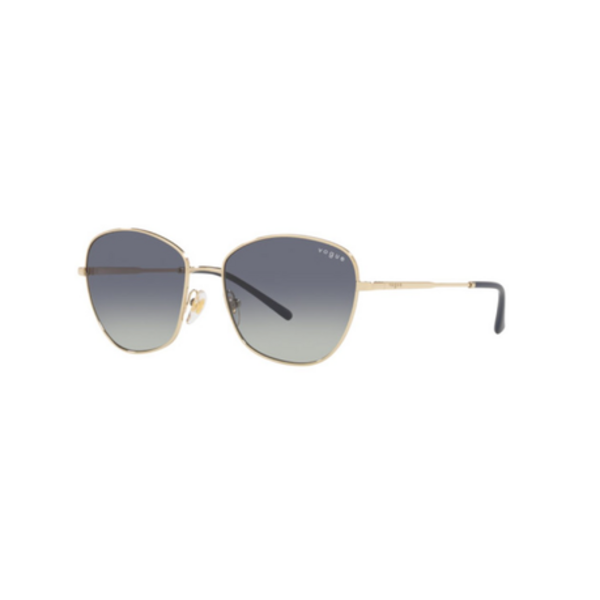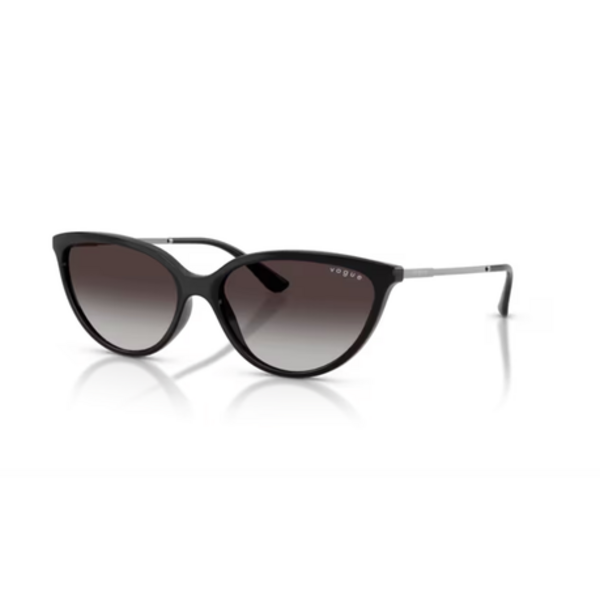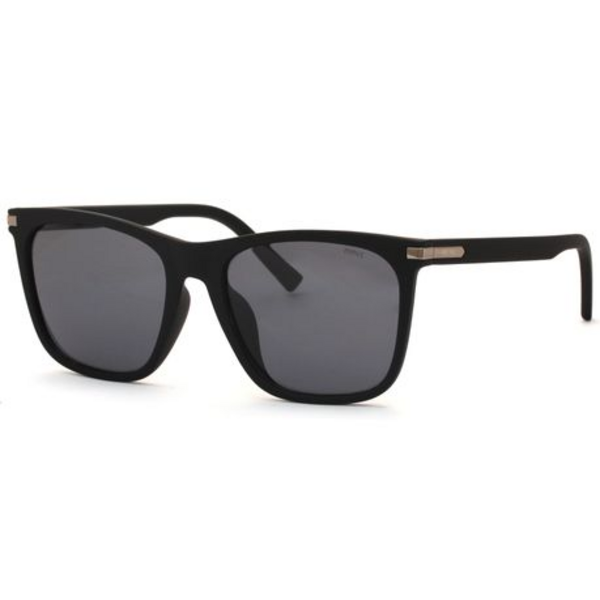
If every pair you try slides down your nose, rests on your cheeks or extends past the sides of your face, the problem is almost never you and almost always the sizing. A great deal of eyewear is built around one average face, and plenty of people sit outside it.
The three numbers
Frames are described by three measurements in millimetres, printed inside the temple arm and listed on any decent product page:
- Lens width — across a single lens at its widest. Typically 48 to 62mm. Smaller faces usually want the lower half of that range, often 48 to 52mm.
- Bridge width — the gap between the lenses, sitting over your nose. Typically 14 to 24mm. This is the one that decides whether a frame slides.
- Temple length — the arm, from hinge to tip. Typically 135 to 150mm.
Total frame width is roughly twice the lens width plus the bridge, plus a few millimetres for the rims. That number should match the widest part of your face.
Why the bridge is the culprit
A frame is carried by your nose and your ears, and the nose does most of the work. If the bridge is too wide for you, the frame has nothing to rest against and gravity does the rest. No amount of tightening the arms fixes this, because the arms are not what holds a frame up.
If your glasses slide within minutes of putting them on, look for a narrower bridge measurement before anything else.
What to look for
- Adjustable nose pads. Metal frames usually have them, and they let an optometrist narrow the fit precisely. This is the most reliable answer for a narrow bridge and worth prioritising over any styling consideration.
- Frames described as small fit or Asian fit. These have a narrower bridge and often a raised nose position, designed for a lower bridge profile. The naming is unhelpful; the geometry is what matters, and it suits a great many people.
- Shorter temple lengths. A 135 or 140mm arm on a smaller head keeps the frame from sitting too far forward.
- Lighter materials. Thin metal or titanium puts less weight on a small bridge, so there is less force pulling it down.
Signs the fit is wrong
- The lenses touch your cheeks when you smile, which smears them and means the frame is sitting too low or is too deep.
- The arms visibly splay outward, meaning the frame is too narrow and is being stretched.
- Red marks on the sides of your nose after an hour, meaning the weight is concentrated rather than spread.
- You can see the hinges in your peripheral vision, meaning the frame is too wide.
The practical approach
Measure a pair that fits, note the three numbers, and use them to filter. It is far quicker than working through shapes and far more reliable than judging from photographs.