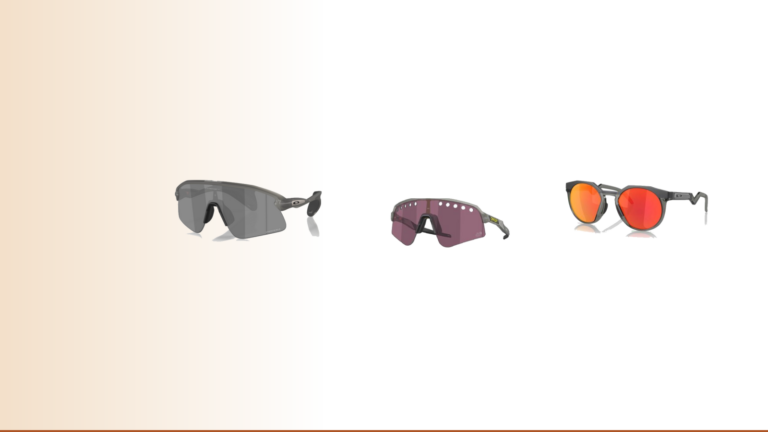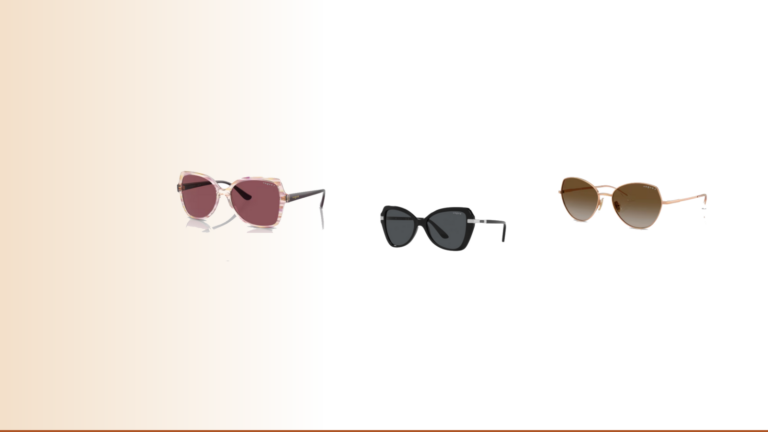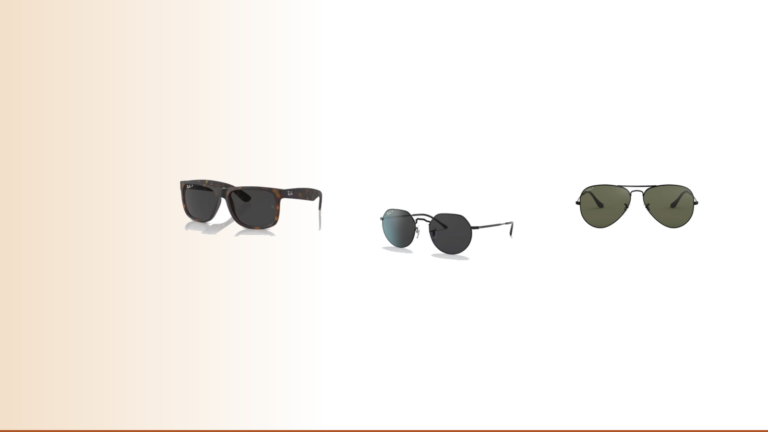
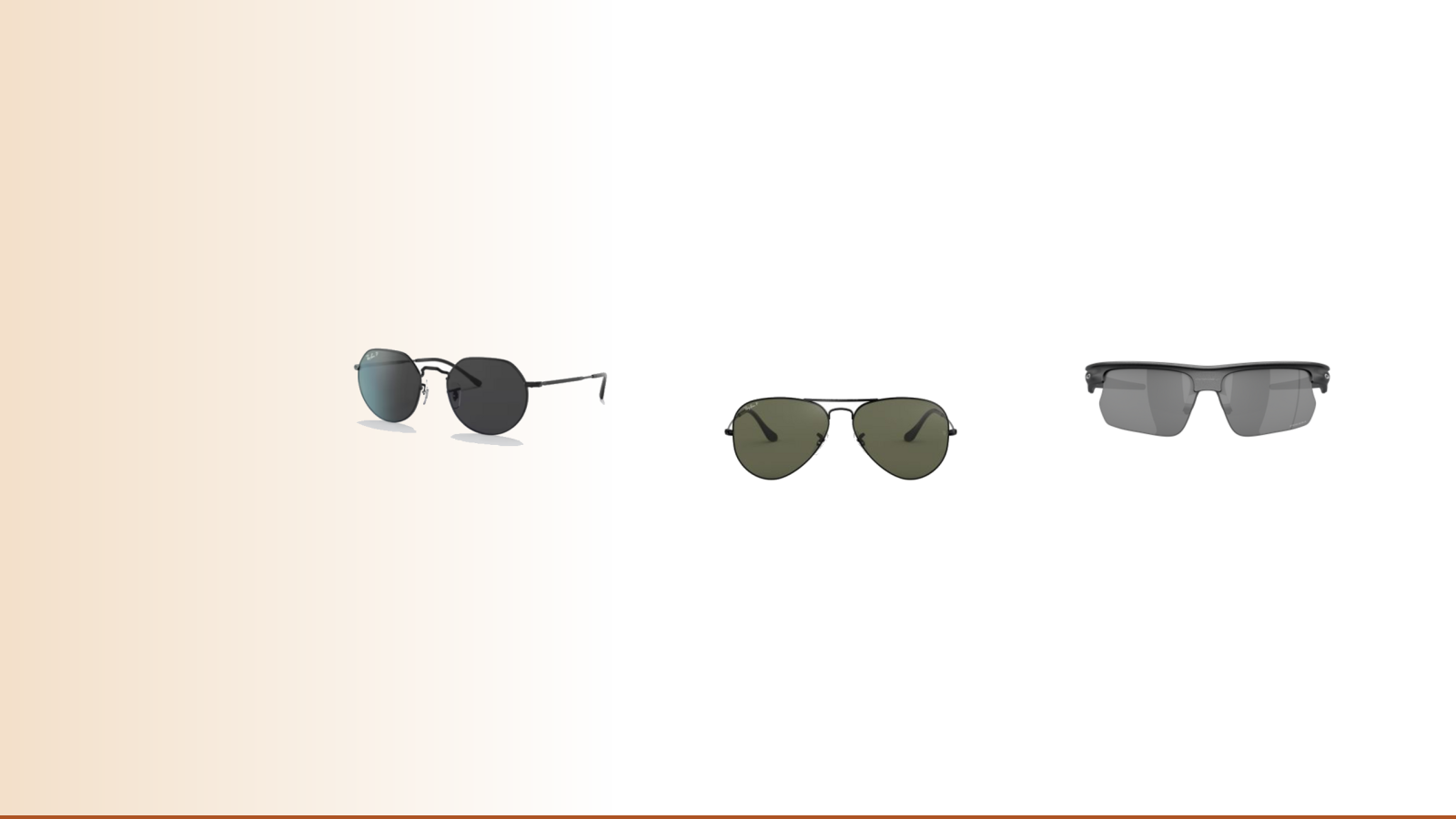
Two face shapes that come up constantly, with quite different guidance: one is the easiest to shop for and the other has a clear principle behind it.
Oval faces
An oval face is slightly longer than it is wide, with a gently rounded jaw and a forehead a little broader than the chin. It is generally considered the most balanced proportion, which in practice means very little is off limits.
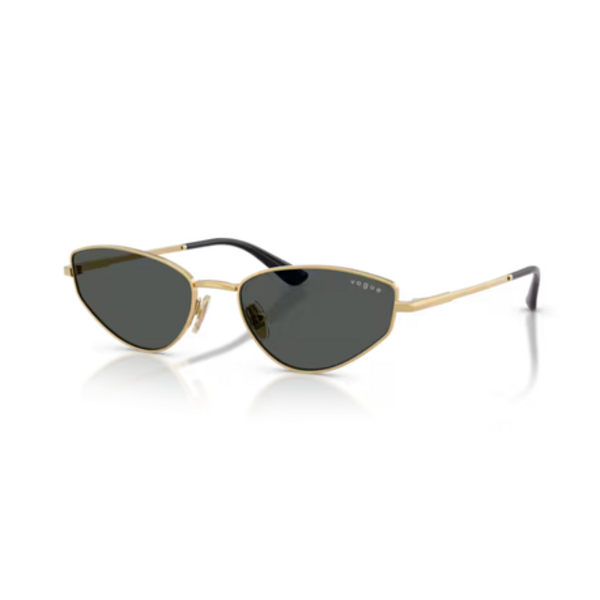
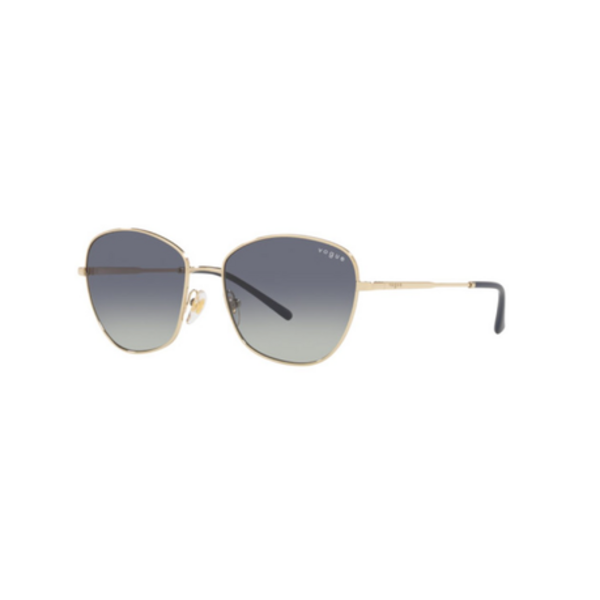
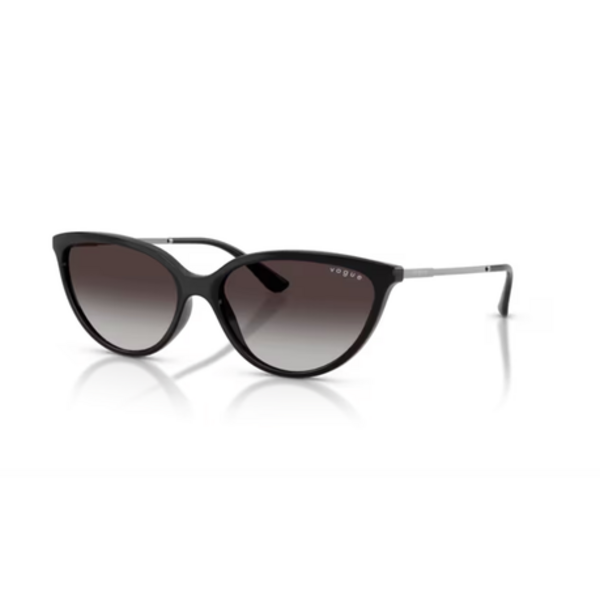
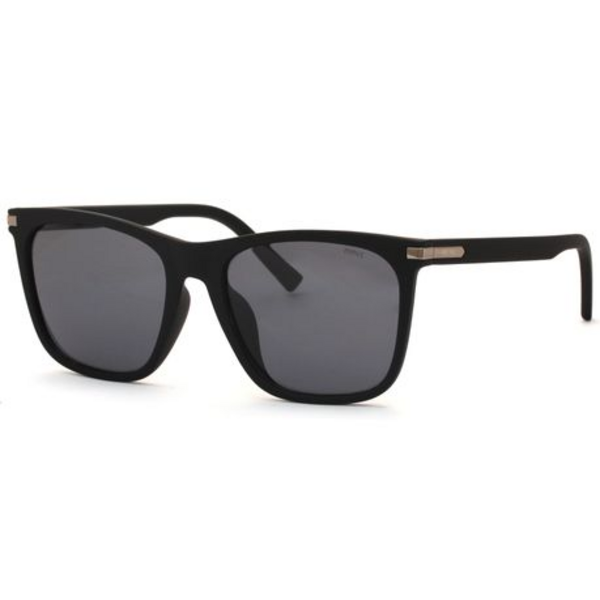
What works: almost anything. Wayfarers, aviators, round frames, cat-eye, geometric shapes. Rather than correcting a proportion, you are choosing based on what you like and what suits the occasion.
The one thing to watch: proportion rather than shape. A frame that is too large will overwhelm the balance that makes the shape work, and one that is too small looks lost. Aim for a frame roughly as wide as the widest part of your face and let the eyes sit near the centre of the lenses.
If you have an oval face and are hesitating, that hesitation is not about shape. Pick the frame you keep coming back to.
Heart-shaped faces
A heart-shaped face is widest at the forehead and cheekbones and narrows to a smaller, often pointed chin. The aim is to avoid adding more visual weight to the top, since that is where the width already is, and to bring some balance towards the lower half.
What works:
- Frames wider at the bottom than the top. This is the core principle. It counterweights a narrow chin.
- Aviators. The teardrop shape narrows towards the bottom while the widest point sits below the brow, which suits this shape unusually well.
- Round and oval frames. Curves soften a pointed chin and a strong brow line.
- Rimless and semi-rimless. Minimal weight at the top of the face.
- Light colours and thin rims. Less visual mass where the face is already broad.
What to be careful with on a heart-shaped face
Heavy browline frames such as Clubmasters add a strong horizontal bar across the widest part of the face, which emphasises rather than balances. Decorative or embellished top corners do the same. Dramatic cat-eye shapes draw the eye upward and outward, again towards the width you already have.
None of these is impossible, but each is working against the proportion rather than with it.
Fit still outranks shape
For both face shapes the measurements decide more than the silhouette does. Lens width, bridge width and temple length are listed on every product page and printed inside the arm of any pair you already own. Match those first, then choose among the shapes that survive.