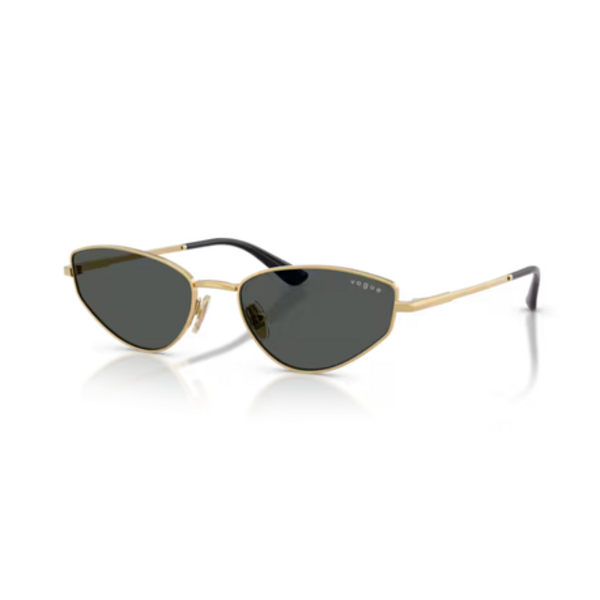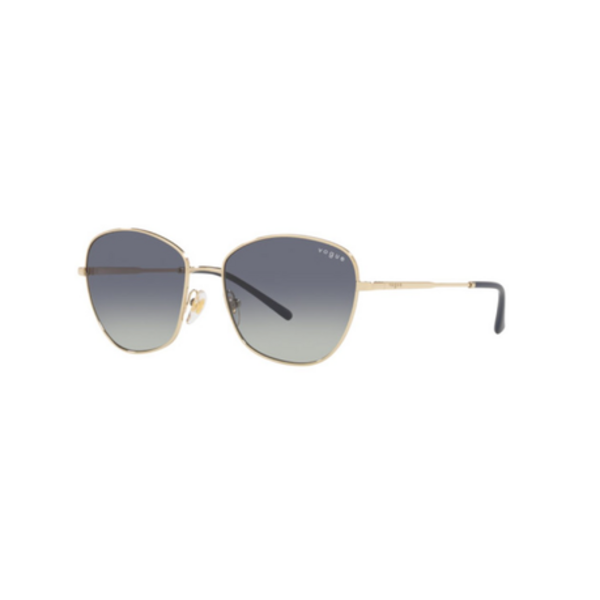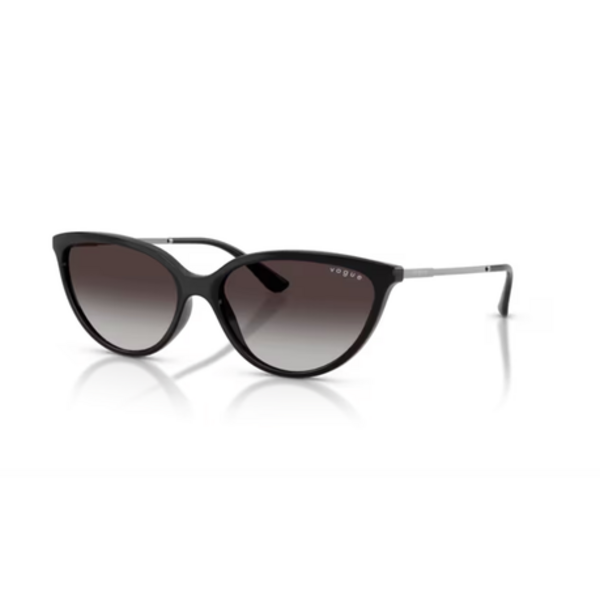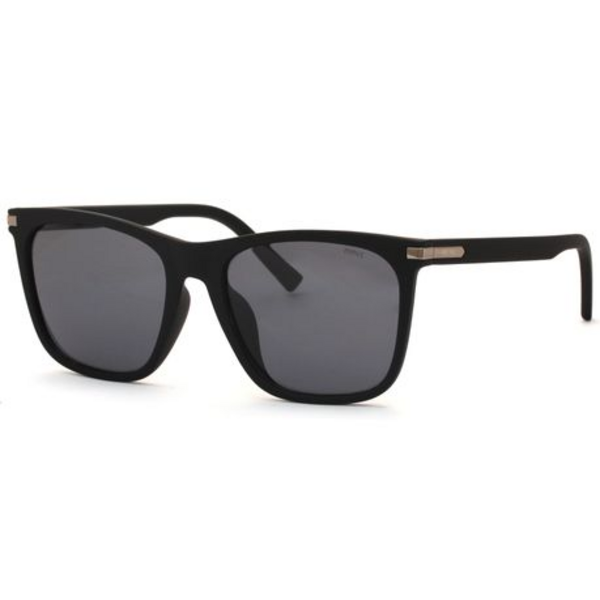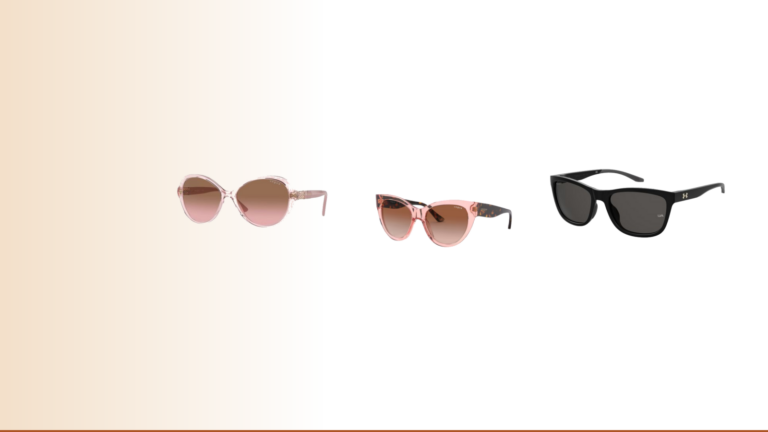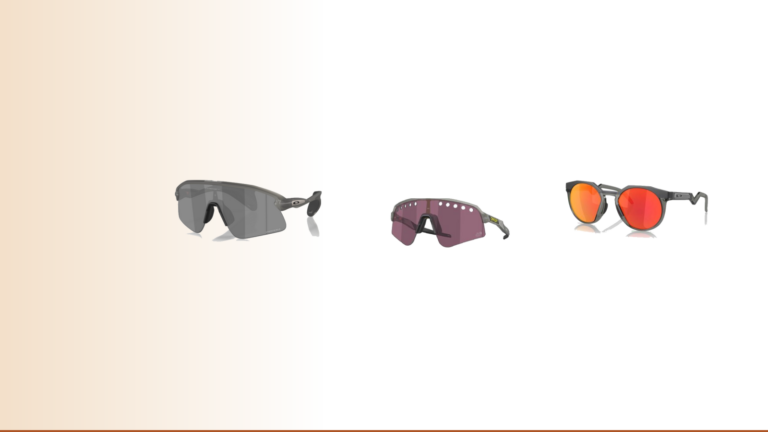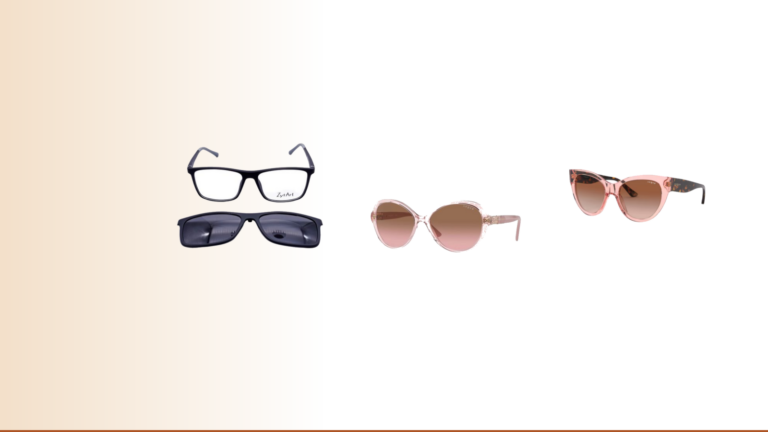
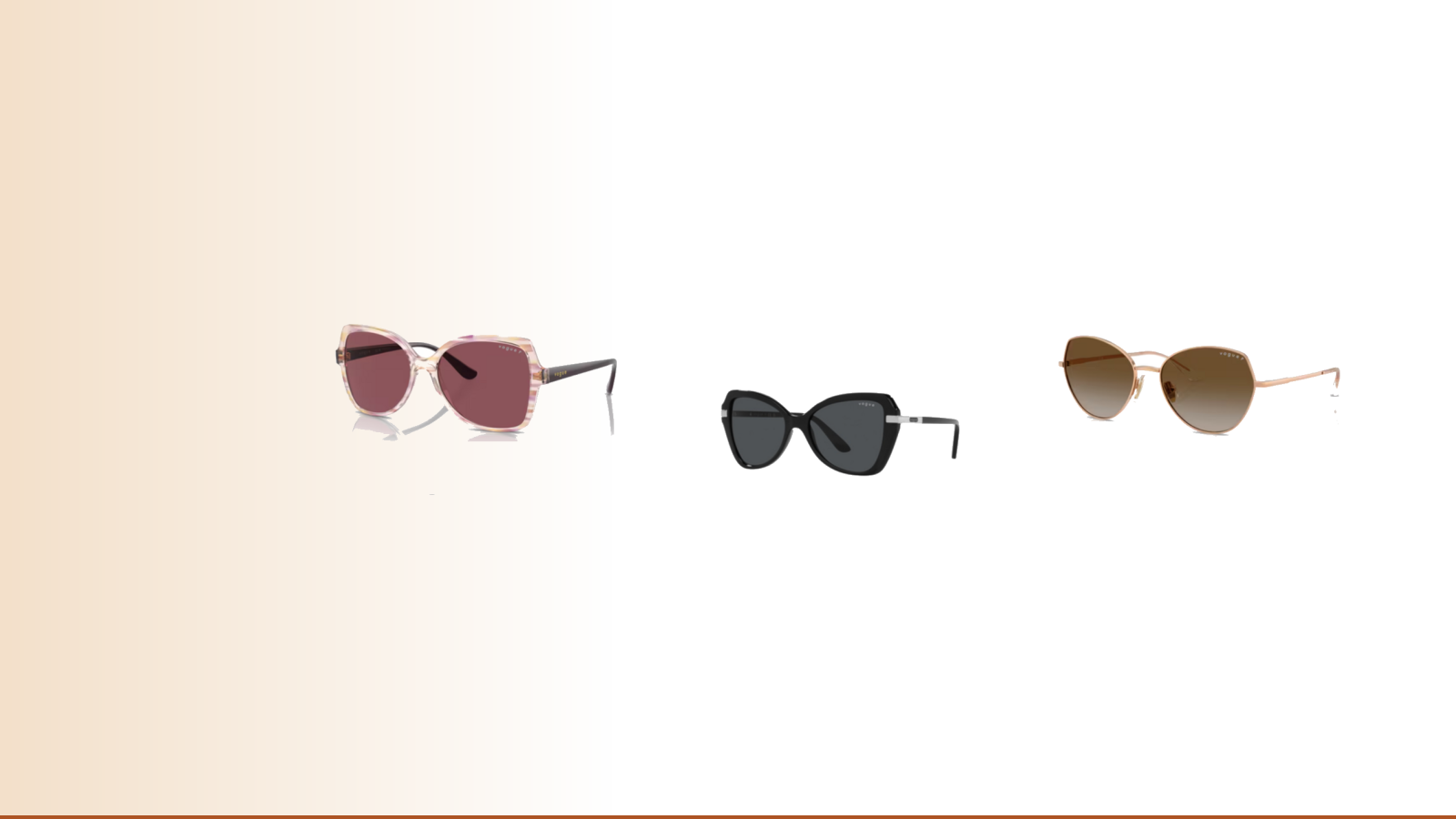
Frame material is rarely the reason someone picks a pair, and it is usually the reason they are still happy with it two years later. The three you will meet most often behave quite differently.
Acetate
Cellulose acetate is a plant-derived plastic, and it is what most substantial-looking frames are made from. It is worth knowing that quality acetate is cut from solid sheet rather than injection-moulded, which is why colour runs through the material instead of sitting on the surface. A chip on a moulded frame shows a different colour underneath; a chip on acetate does not.
Suits: bold shapes, layered or tortoiseshell colouring, anything where the frame is meant to be seen.
- Strengths: deep colour, warmth against the skin, enough substance to hold a strong shape, can be gently reshaped with heat by an optometrist.
- Trade-offs: heavier than metal, and it can lose a little of its fit if repeatedly left somewhere hot.
Metal
Usually a stainless steel or monel alloy, sometimes titanium at the upper end. Metal frames are thin by nature, which is the whole point: they take up less of your face.
Suits: aviators, round wire frames, rimless and semi-rimless designs, anything meant to be discreet.
- Strengths: light, minimal visual weight, adjustable at the nose pads for a precise fit, titanium in particular is both very light and corrosion-resistant.
- Trade-offs: thin metal can bend if sat on, plating can wear at contact points over years, and some people react to nickel in cheaper alloys.
Nylon and injected polymers
This is the sport category: nylon, TR-90 and similar engineered plastics. They are chosen for behaviour under stress rather than for looks.
Suits: running, cycling, anything involving impact, sweat or a frame that has to stay put.
- Strengths: very light, flexible enough to bend and return rather than snap, unbothered by sweat, and usually paired with rubberised nose and temple grips.
- Trade-offs: a more technical look that does not suit every setting, and the flexibility that makes them durable also means they generally cannot be heat-adjusted to fine-tune a fit.
Choosing between them
A short version:
- You want the frame to be part of your look: acetate.
- You want to barely notice you are wearing it: metal, titanium if the budget allows.
- You are going to sweat in it or fall over in it: nylon.
- You have a hard-to-fit nose bridge: metal, because adjustable pads solve fit problems that a moulded bridge cannot.
One practical note that applies to all three: how a frame fits is at least as important as what it is made of. A well-fitted acetate frame will feel lighter than a poorly fitted metal one, because weight you do not notice is weight distributed correctly across the bridge and the temples rather than resting entirely on your nose.