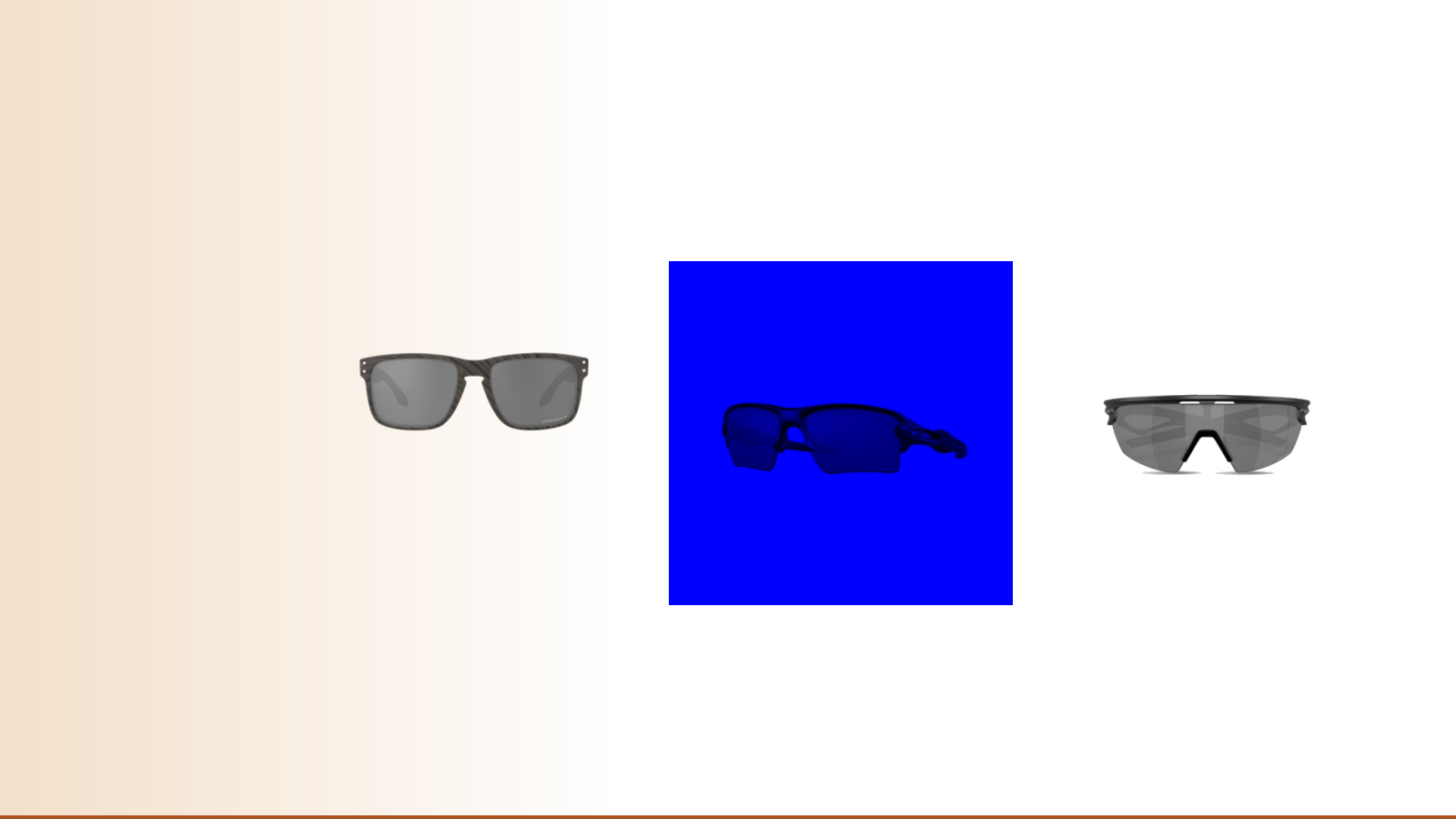
Ask most people what sunglasses/polarized/" class="autolink">polarised sunglasses do and you will be told they offer better protection. That is not quite right, and the distinction is worth getting straight, because it changes what you should be looking for.
What polarisation does
Light normally travels vibrating in every orientation at once. When it bounces off a flat, non-metallic surface, that changes: the reflected light comes away largely aligned in one plane, usually the horizontal one. Your eye registers that concentrated, aligned light as glare.
A polarised lens has a filter running in the opposite direction, like a set of very fine vertical blinds. Horizontally aligned light cannot get through. The glare drops away and what is left is the rest of the scene, which is why a polarised lens does not just dim a bright view but appears to clean it up.
This is a genuine optical structure inside the lens, not a coating on the surface, so it does not wear off with use.
What ultraviolet filtering does
Ultraviolet is invisible. You cannot see it, you do not experience it as brightness, and no amount of squinting tells you whether it is present. Filtering it is about the long-term health of the eye rather than about comfort in the moment.
Because it is invisible, you get no feedback at all from a lens that is failing to block it. That is precisely why it has to be a specification you check rather than something you judge by eye.
The two are independent
A lens can be polarised without meaningful ultraviolet filtering. A lens can filter ultraviolet completely without being polarised at all. Most reputable brands do both, but they do both because they chose to, not because one produces the other.
Put plainly: polarisation is about how well you see, and ultraviolet filtering is about what the light is doing to your eyes while you do it.
When polarisation earns its money
- Driving. Glare off the road surface and off the bonnet of the car in front is exactly the horizontally aligned light a polarised lens removes.
- Water. Anglers use polarised lenses to see past the surface reflection into the water, which is a difference in what you can see rather than merely in comfort.
- Snow, pale sand and bright concrete. All of them throw a lot of reflected light back up at you.
When it can be a nuisance
Many LCD screens are themselves polarised. Viewed through a polarised lens at certain angles, a phone, a car dashboard, an aircraft window or an ATM display can dim, black out entirely or show a faint rainbow mottling. Tilting your head or the screen usually restores it, but it is worth knowing before you assume the lenses are faulty.
Pilots and some machine operators avoid polarised lenses for this reason, since an instrument panel that disappears at a particular head angle is a genuine problem rather than an inconvenience.
What to take away
Treat ultraviolet filtering as the non-negotiable and polarisation as the upgrade. Check the first as a specification. Choose the second based on whether you spend your time in glare.