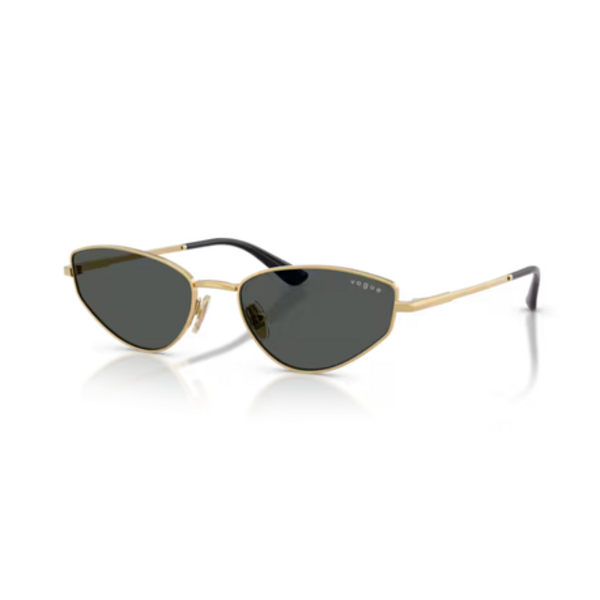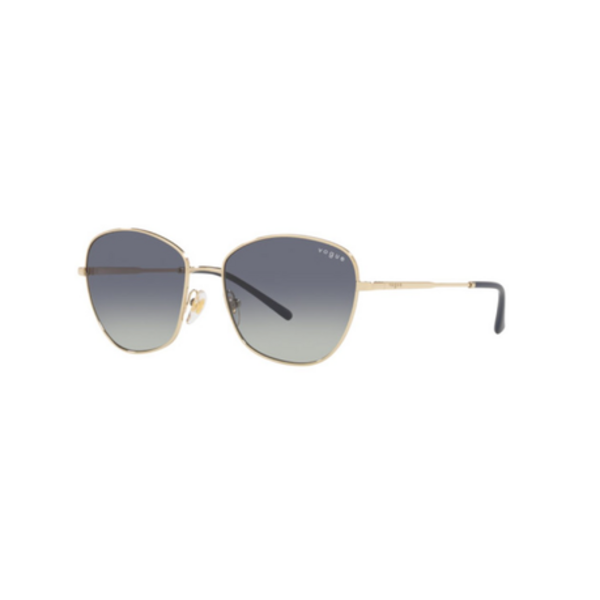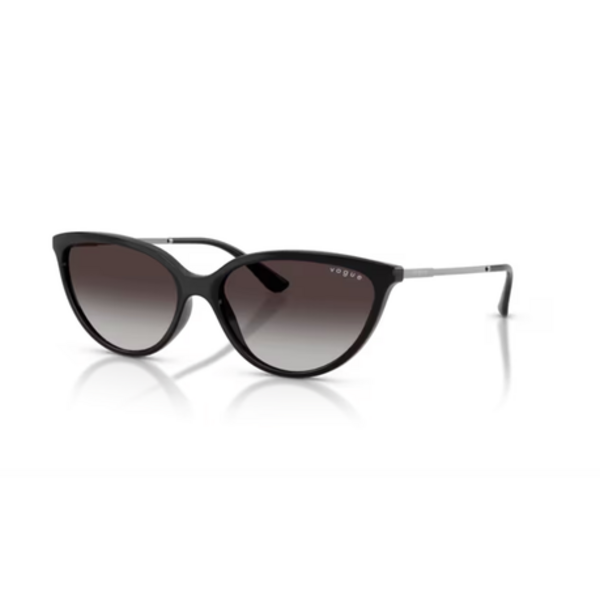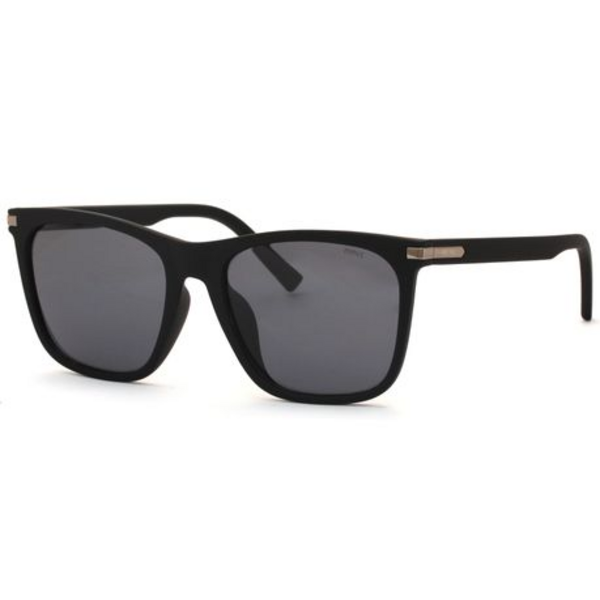
Mirrored lenses are the most visually distinctive option on the shelf, and the most commonly misunderstood. The mirror is doing something real, but it is not doing what most people assume.
What the coating does
A mirror coating, sometimes called a flash coating, is a very thin metallic layer applied to the outer surface of the lens. It reflects a portion of incoming light away before it ever enters the lens material.
The effect is to reduce the total amount of light reaching your eye, on top of whatever the tint underneath is already doing. It is a brightness reduction, applied at the surface.
What it does not do
- It is not polarisation. A mirror coating reduces overall brightness; polarisation selectively removes glare reflected off flat surfaces. They are independent, and a lens may have one, both or neither.
- It is not ultraviolet protection. That is a property of the lens material, not of the coating on its face. A mirrored lens with no ultraviolet filtering is still a bad lens.
- It does not change the colour you see. The tint under the mirror does that. A blue mirror over a grey lens still gives you a grey view.
When it earns its place
- Very high brightness. Snow, open water, pale sand, high altitude. Anywhere reflected light is coming at you from below as well as above.
- Long exposure. All-day outdoor sport, where cumulative brightness leads to squinting and fatigue.
- Privacy. A practical reason rather than a stylistic one for anyone who would rather their eyes were not readable.
The trade-offs
The coating sits on the outside of the lens, which is the surface that meets everything. Mirror coatings scratch more visibly than bare lenses, and a scratch through a mirror shows as a bright line rather than a faint mark. They also show fingerprints and water spots readily.
This makes cleaning technique matter more than usual. Rinse before wiping, always: dragging grit across a mirror coating marks it quickly and permanently.
In low light a mirrored lens is a liability, since you are subtracting light from a scene that has little to spare.
Choosing sensibly
If you spend your days in genuinely bright, reflective environments, a mirror coating is a real advantage. If you want the look, that is a perfectly good reason too, provided you accept that it needs more careful handling. What it should not be is a substitute for checking the ultraviolet specification, which is doing the job that actually protects your eyes.