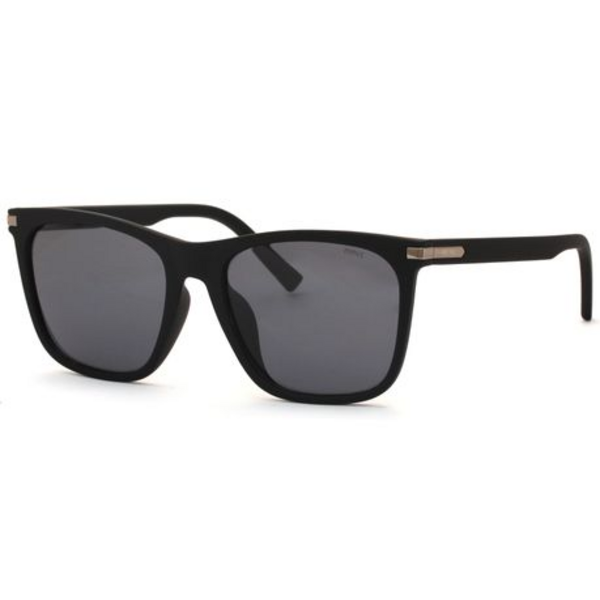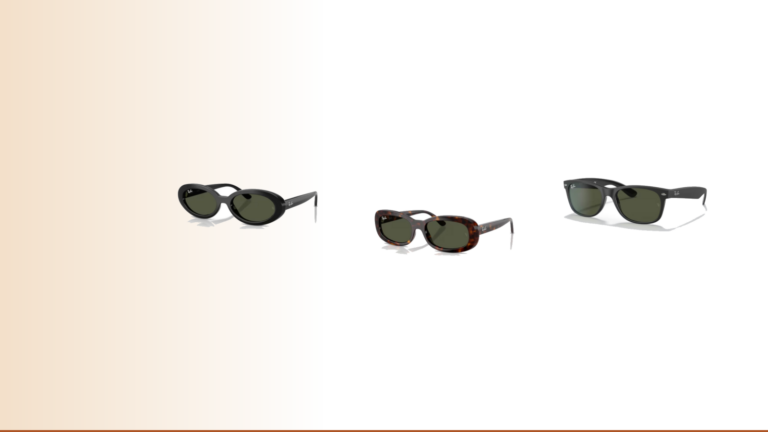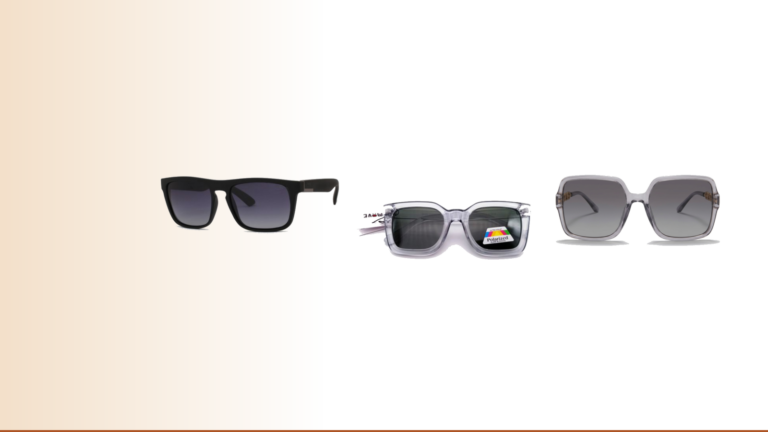
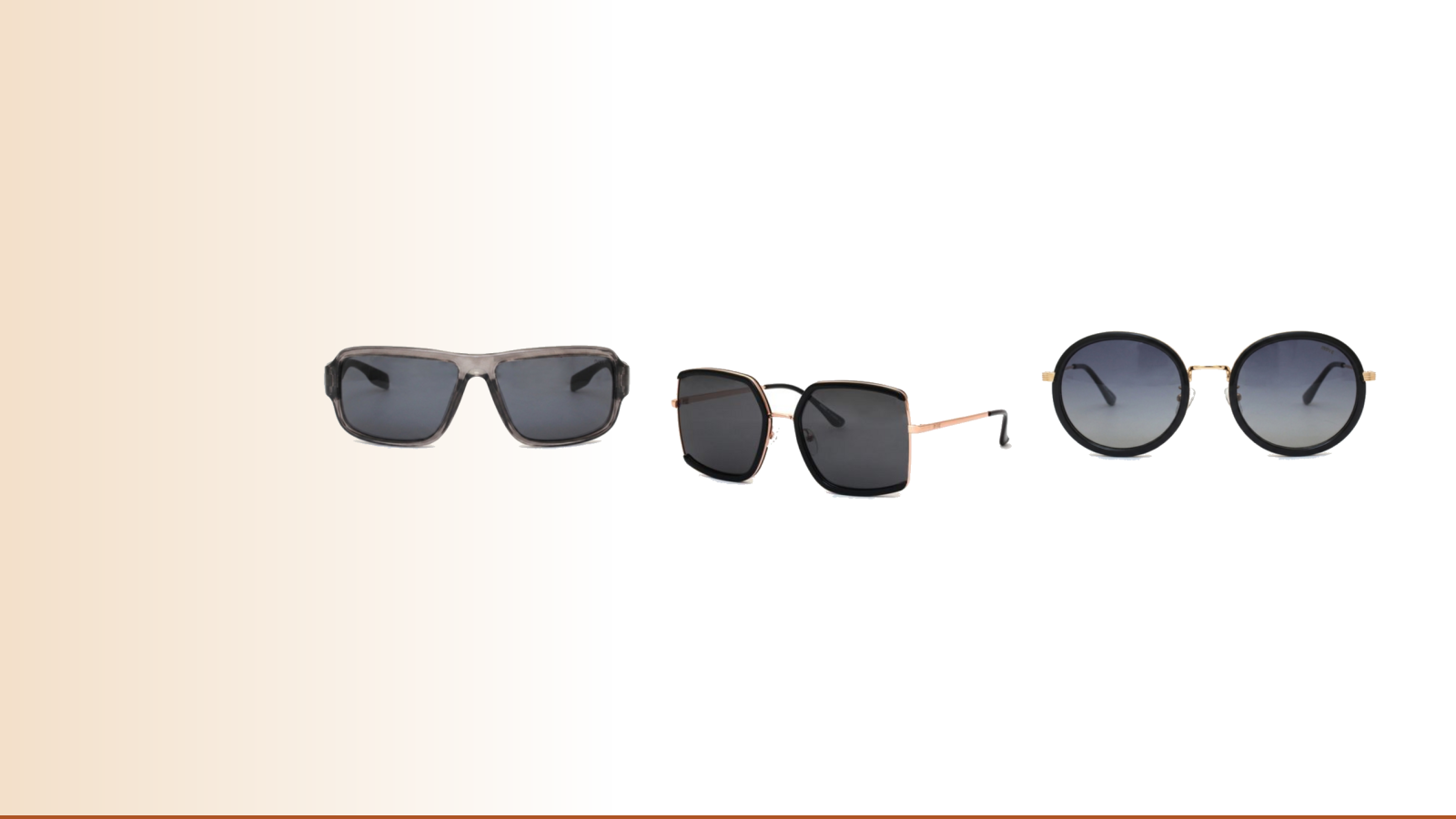
Most people buy sunglasses/polarized/" class="autolink">polarised sunglasses to be more comfortable. Anglers buy them to see something they otherwise could not, which makes fishing the clearest demonstration of what polarisation actually does.
The mirror problem
A calm water surface behaves like a mirror. Light striking it bounces off, and because the surface is flat and horizontal, that reflected light comes away aligned in the horizontal plane. From the bank you see sky, cloud and your own surroundings reflected back, and almost nothing of what is underneath.
A polarised lens filters out horizontally aligned light. Remove the reflection and what is left is the light coming up out of the water, which carries the information you want: structure, weed beds, drop-offs, and fish.
The effect is not subtle. Lift a pair of polarised glasses on and off while looking at water and the surface appears to switch between opaque and transparent.
Choosing a tint
Polarisation is the mechanism; the tint decides where it works best.
- Copper, amber and brown: the usual choice for freshwater and shallow, variable conditions. They lift contrast, which helps separate a fish from the bottom.
- Grey: keeps colours neutral and cuts overall brightness. Suits bright open water and deep blue conditions.
- Green-based tints: a middle ground, popular in mixed light.
- Mirror coatings: reduce brightness further on very bright open water. They sit on top of the polarisation rather than replacing it.
The angle matters
Polarisation works best when light hits the water at an oblique angle, which in practice means it performs better with the sun lower in the sky and less well at midday with the sun overhead. It also works better when you can get some height above the water, since a steeper viewing angle lets you see further in.
Practical points
- Coverage. Side light reaching your eye around the edge of the frame undoes some of the benefit. A frame with a little wrap helps.
- A retainer cord. Water is unforgiving of dropped glasses, and this is the cheapest insurance available.
- Rinse them. Salt and river silt are abrasive. Rinse under fresh water before wiping, or you will grind grit across the lens.
- Screens. A polarised lens can dim or black out an LCD fish finder at certain angles. Tilting your head fixes it, but it is worth knowing before you assume the unit has failed.
The protection is still the point
Water reflects ultraviolet as readily as it reflects visible light, so a day on the water delivers a dose from below as well as above. Check the ultraviolet specification as well as the polarisation, because they are separate properties and only one of them is doing that job.