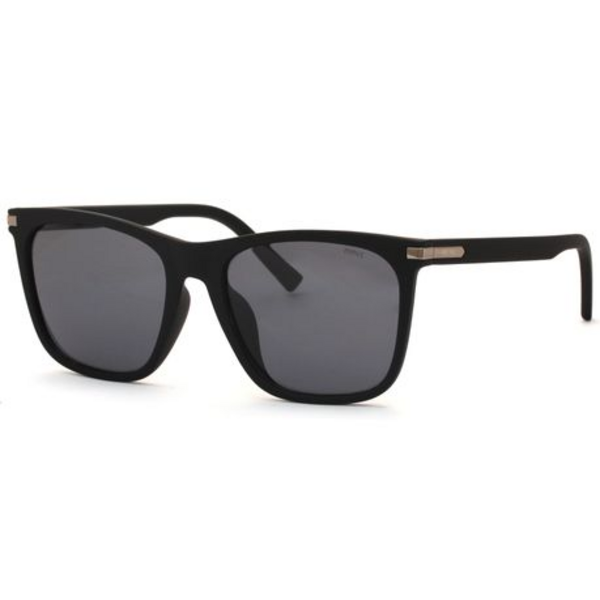
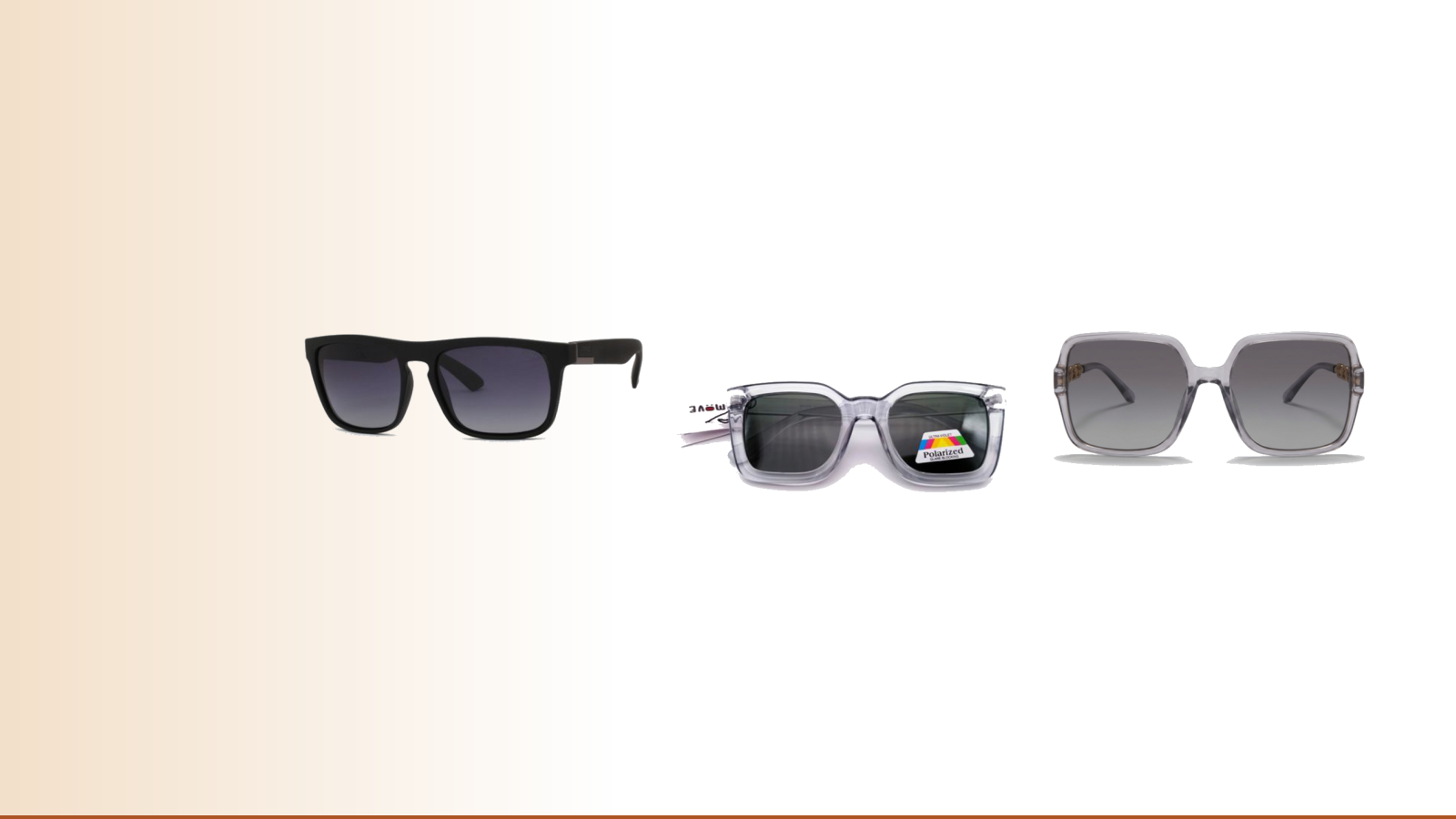
Yellow-tinted glasses marketed for night driving are sold everywhere, usually on the promise of cutting headlight glare and sharpening contrast. It is worth being direct about this: the claim does not hold up, and the physics runs the other way.
What a tint can and cannot do
A tint is a filter. Filters remove light; they cannot add it. A yellow tint removes some of the blue end of the spectrum, and every lens transmits less total light than open air.
In daylight that is exactly what you want, because there is more light than your eye needs. At night the problem is the reverse. There is already too little light, your eye is working at the edge of its range, and putting any filter in front of it makes the scene dimmer. Reducing the light available to a driver at night is not a safety feature.
Why they feel like they are working
They are not doing nothing, which is what makes them convincing. A yellow tint increases apparent contrast, because removing part of the spectrum makes edges look crisper. The subjective impression is of a sharper scene.
Impression and performance are different things. Studies that have tested yellow-lens night driving glasses on actual detection tasks, such as how quickly a driver spots a pedestrian, have generally found no improvement, and the overall reduction in transmitted light is a real cost. Feeling that you can see better while detecting hazards no later is the worst possible combination, because it encourages confidence that the vision does not support.
What is actually causing the glare
If oncoming headlights are genuinely troubling you, the cause is usually one of these, and none of them is fixed by a tint:
- A dirty windscreen. The most common cause by a distance. Film on the inside of the glass scatters oncoming light across your whole field of view. Clean the inside, not just the outside.
- Scratched or hazy spectacle lenses. Scratches scatter light in exactly the same way. If you wear prescription glasses to drive, worn lenses are a likely culprit.
- An uncorrected prescription. Night myopia is real: pupils dilate in the dark and small focusing errors that are invisible by day become obvious. Many people who struggle at night simply need an up-to-date prescription.
- Early cataract. Increasing glare sensitivity at night is one of the first noticeable signs, and it is a reason to see an optometrist rather than to buy glasses.
- Modern LED headlights. Genuinely harsher than older halogens. Adjusting your mirror to its night setting and looking towards the left edge of your lane rather than at oncoming lights both help.
What to use instead
For night driving, the correct lens is a clear one, kept clean and free of scratches, with an up-to-date prescription if you need one. An anti-reflective coating is the one genuinely useful addition, because it reduces reflections bouncing around within the lens itself rather than filtering the scene.
Keep the tinted lenses for daylight, where there is light to spare.