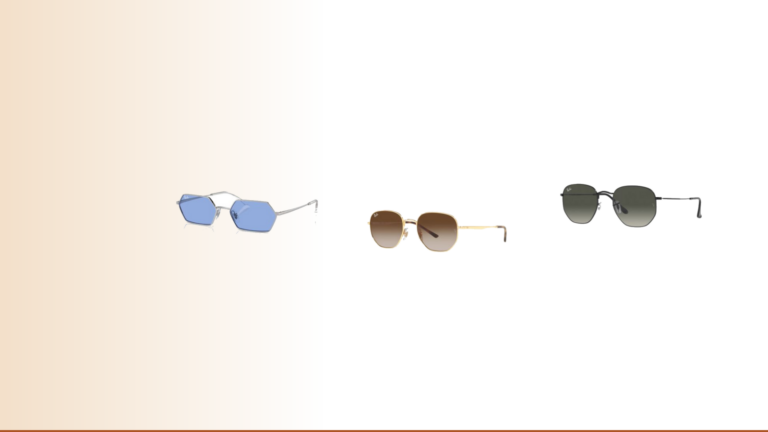
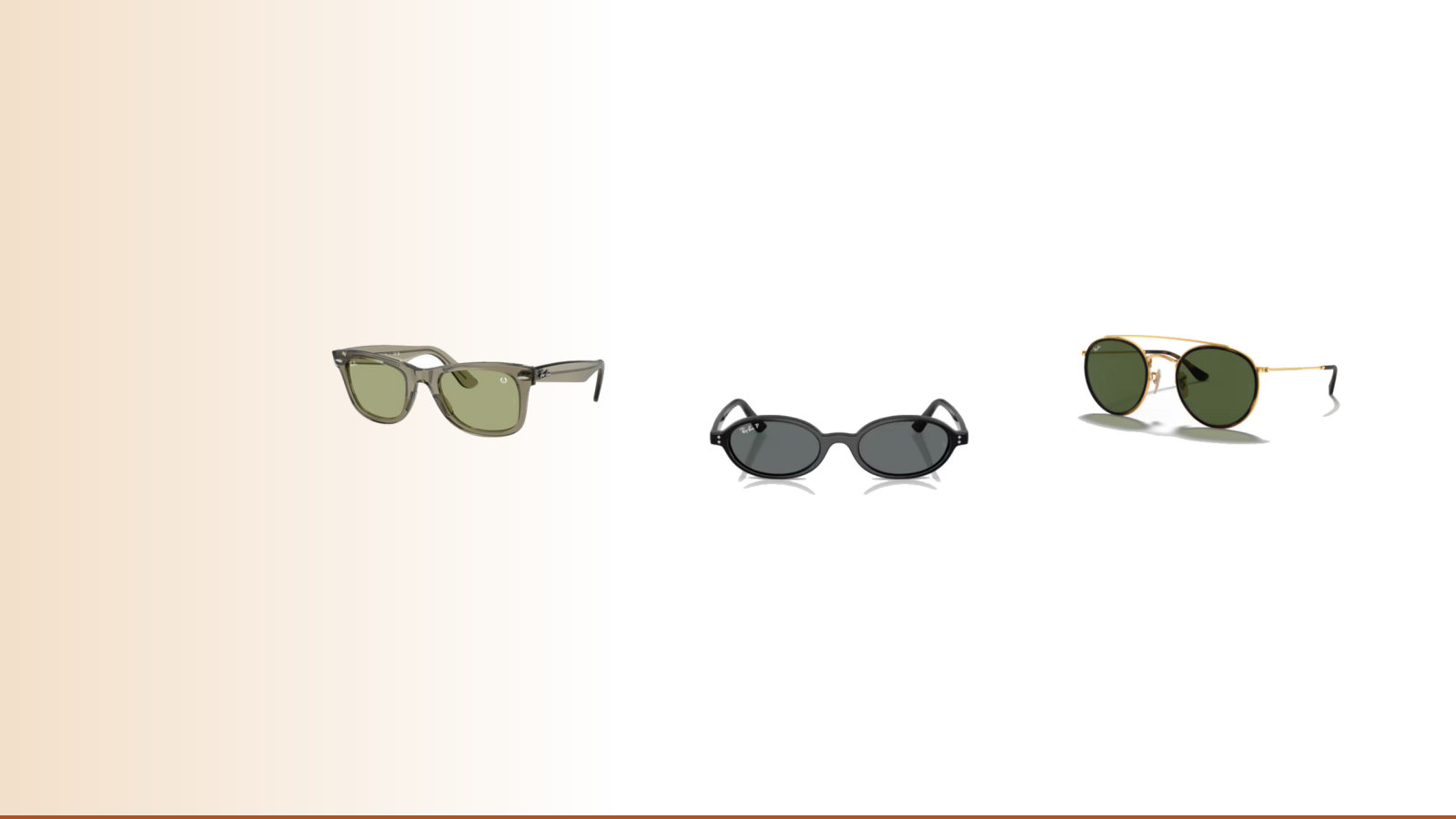
Every eyewear brand has proprietary lens names, and it is reasonable to assume they are mostly branding. Some are. Several describe genuine engineering, and it helps to know which is which.
Ray-Ban G-15
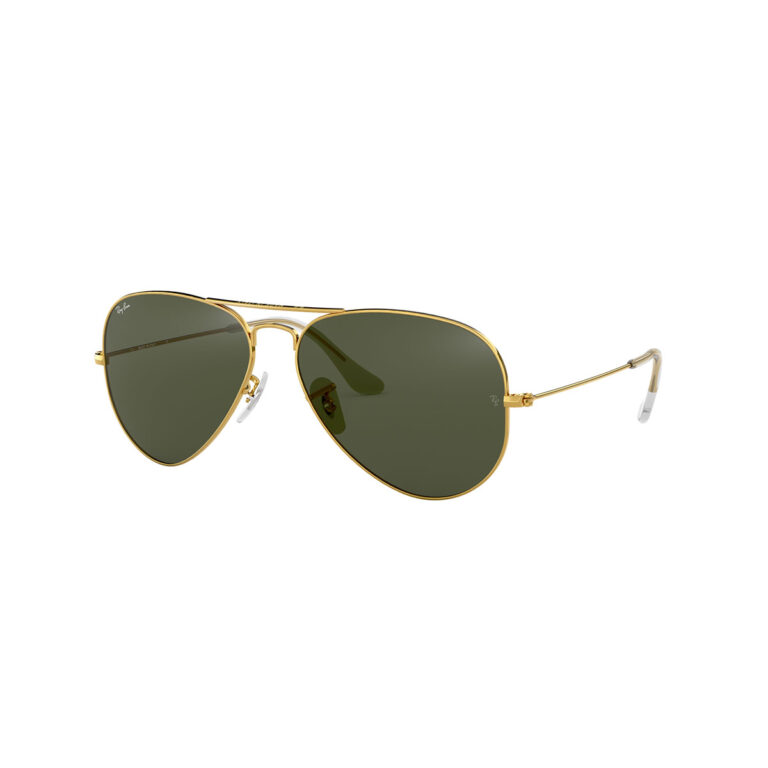
G-15 is the classic Ray-Ban green lens, and it is the oldest name on this list. It was developed for aviation, and the design goal was to cut brightness substantially while keeping colours looking natural rather than shifted.
The number refers to light transmission: a G-15 lens transmits roughly 15% of visible light, putting it firmly in filter category 3. The green tint sits in the middle of the visible spectrum, which is why it dims a scene fairly evenly instead of skewing it the way a strong brown or blue lens does.
Practically, it is a good general-purpose choice: neutral colour rendering, genuinely dark, and appropriate for driving.
Oakley Prizm
Prizm is the most substantive of the modern lens systems. Rather than a single tint, it is a family of tints each tuned for a specific environment.
The idea is selective filtering. Instead of dimming everything evenly, a Prizm lens suppresses particular narrow bands of the spectrum to increase the contrast between colours that matter in a given setting. A version tuned for the trail lifts the separation between brown earth and green vegetation, making roots and ruts easier to read at speed. A version for open water emphasises different bands again.
This is a real optical effect rather than a claim about seeing more light. It does not make a dark scene brighter; it makes certain differences within a scene easier to distinguish. Whether it is worth the premium depends on whether you spend your time in the environment a particular version was designed for.
Polarised versions
Both brands offer sunglasses/polarized/" class="autolink">polarised variants across their ranges, and it is worth being clear that polarisation is a separate layer from the tint. A G-15 lens may or may not be polarised; the same is true of Prizm. If glare off roads or water is your problem, check for the polarisation specifically rather than assuming a premium lens name includes it.
What is common to all of them
Reputable manufacturers filter ultraviolet fully across their ranges, at every tint and every price point, because it is a property of the lens material rather than an upgrade. The lens technology names describe what happens to visible light: how much gets through, and which parts of the spectrum are emphasised.
How to choose
- General everyday use, driving, neutral colour: a classic green or grey lens such as G-15.
- A specific sport in a specific environment: a contrast-tuned lens such as the appropriate Prizm version.
- Glare off roads or water: prioritise polarisation over any particular tint name.
- Changeable light: a lighter category 2 lens will be comfortable more of the time than a very dark one.