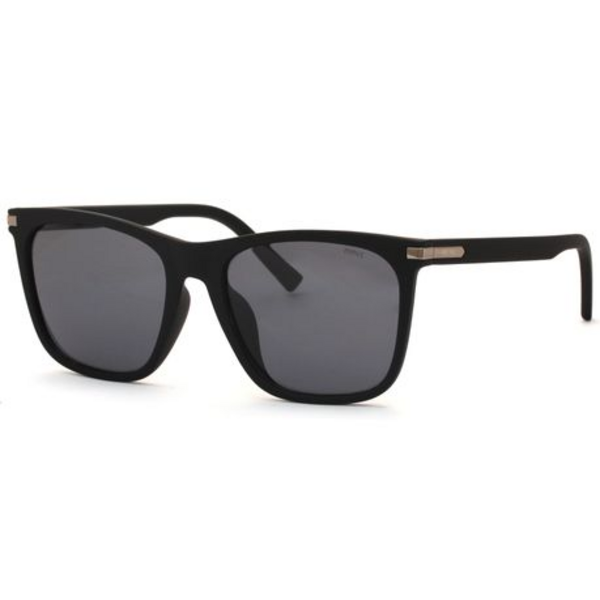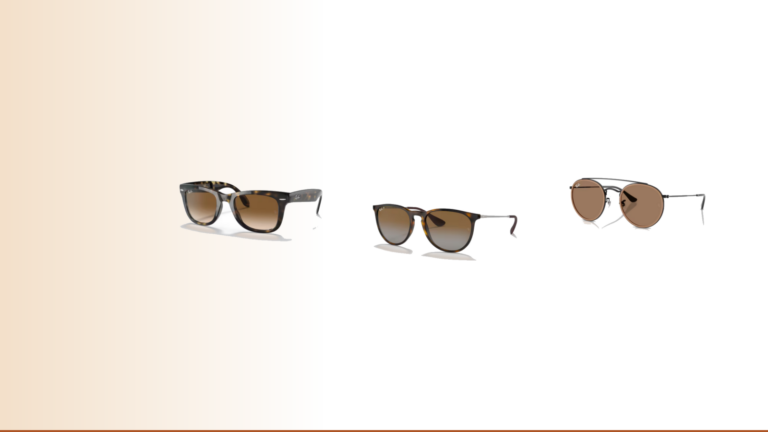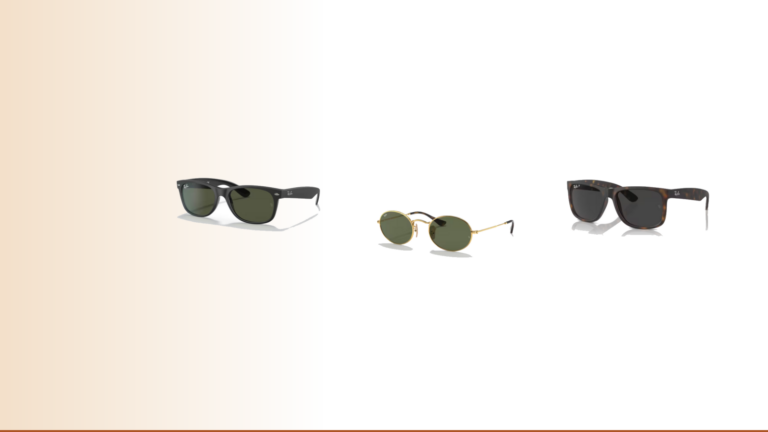
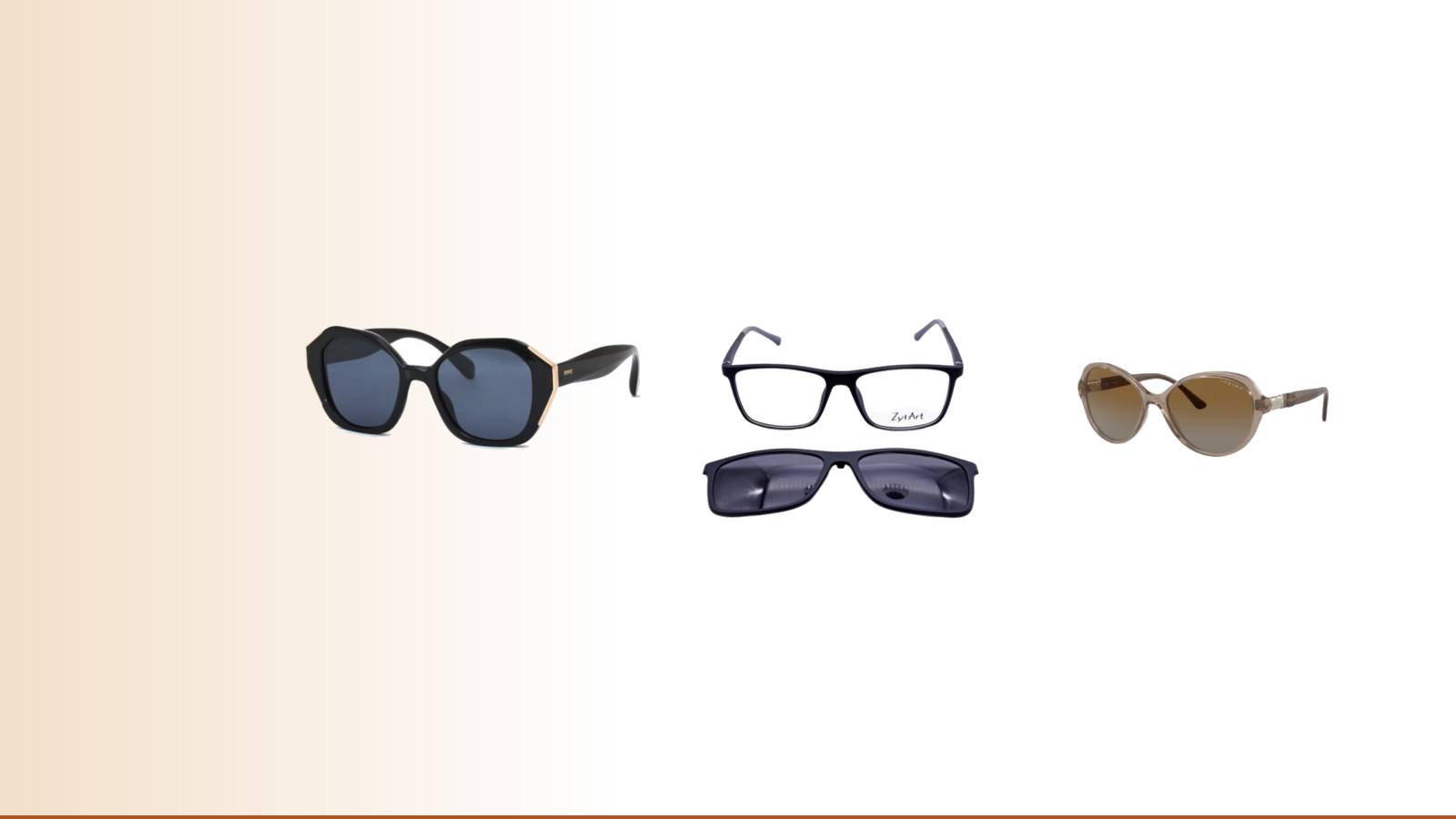
For driving in South Africa, the best sunglasses combine proper UV protection, useful glare control and a frame that stays comfortable without blocking your side vision. The logo matters less than choosing the right lens and fit for the way you drive.
What should driving sunglasses have?
- UV400 or 100% UV-A and UV-B protection: this is the non-negotiable protection feature.
- Polarised lenses: useful for reducing reflected glare from tar, wet roads, water and vehicle surfaces.
- A comfortable tint: grey keeps colours relatively neutral, while brown or amber can increase contrast for some wearers.
- A stable fit: the frame should not slide when you turn your head or press painfully under the temples.
- Clear peripheral vision: very thick temples or oversized side pieces can obstruct shoulder checks.
The American Academy of Ophthalmology explains that polarisation cuts reflected glare but is separate from UV protection. A good driving pair should therefore provide both appropriate UV protection and the glare control you want. Read the AAO guidance.
Are polarised sunglasses better for driving?
They are often more comfortable in bright conditions because they reduce horizontal reflected glare. They can be especially useful on long Highveld drives, bright coastal roads and after rain. However, some polarised lenses can make certain dashboard or head-up displays appear darker at particular angles. Check your vehicle’s displays before committing to a pair.
Browse Aweh’s polarised sunglasses, including affordable Move sunglasses and selected premium styles.
Which lens colour is best?
Grey lenses are a dependable all-round option and preserve colour balance well. Brown, bronze and amber tints can make road detail feel more defined, while very dark fashion lenses are not automatically more protective. UV protection is determined by the lens filter—not how dark the lens looks.
Ray-Ban, Oakley or Move for driving?
- Ray-Ban: classic everyday shapes with a broad selection of lens and frame combinations.
- Oakley: secure, sport-influenced fits and good coverage for active use.
- Move: accessible polarised options for everyday driving and outdoor wear.
Quick driving-sunglasses checklist
- Confirm UV400 or full UV-A/UV-B protection.
- Choose polarisation if reflected glare bothers you.
- Check that dashboard screens remain readable.
- Confirm lens width, bridge width and temple length.
- Avoid frames that obstruct peripheral vision.
Frequently asked questions
Can I drive at night with sunglasses?
No. Dark sunglasses reduce the light reaching your eyes and are not suitable for night driving. If night glare is a problem, discuss it with an optometrist.
Do expensive sunglasses always protect better?
No. Price can reflect brand, materials and lens technology, but the essential protection claim to verify is UV400 or equivalent UV-A and UV-B protection.
Editorial note: Read how Aweh Eyewear prepares product information and evidence-aware eyewear guides.