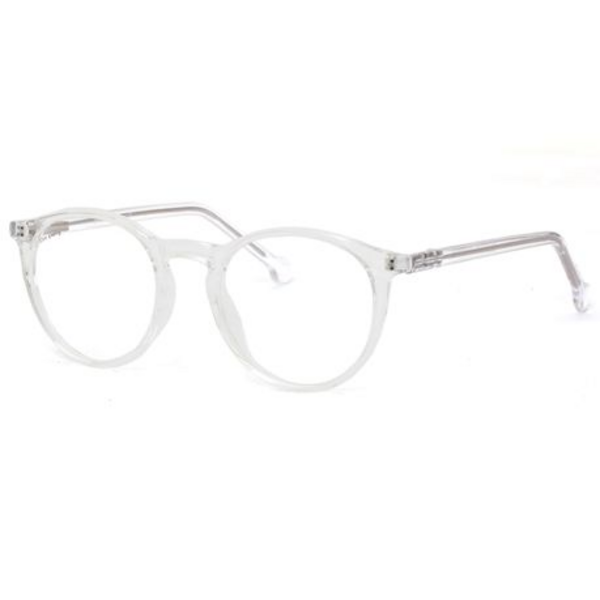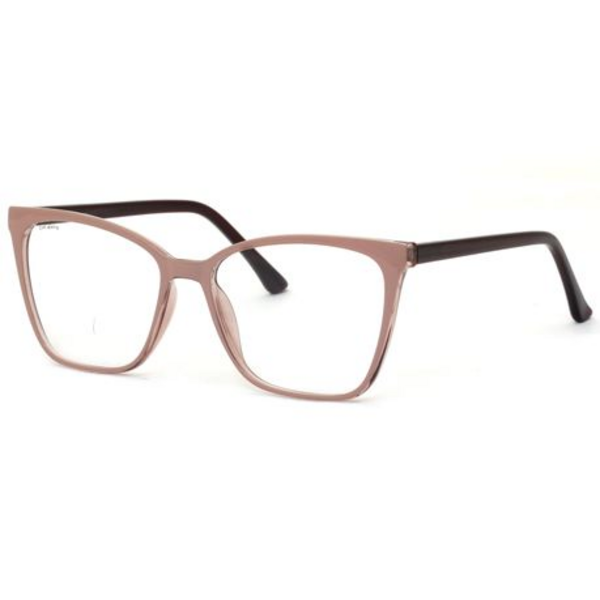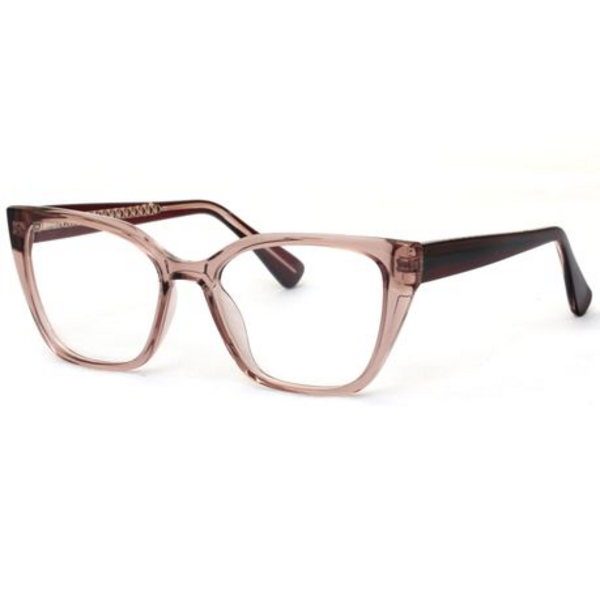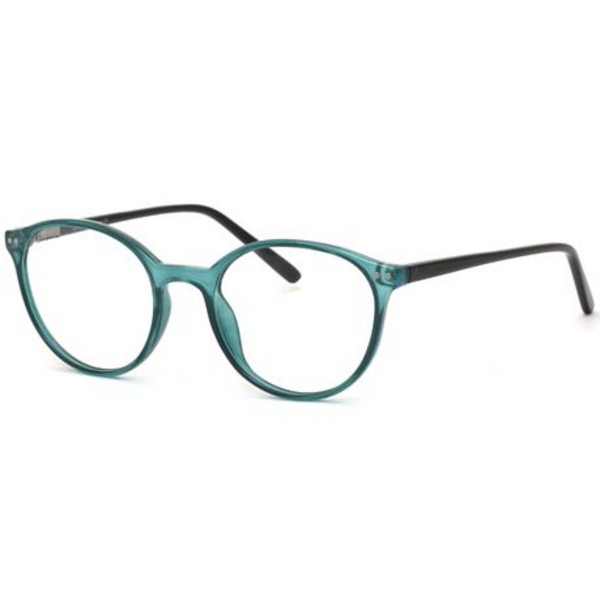
Blue light glasses and reading glasses are often grouped together, but they solve different optical problems. One changes the light reaching the eye; the other adds magnification. Some Aweh Eyewear frames combine both features, so it helps to understand the difference before choosing.
What are blue light glasses?
Blue light glasses use a lens filter designed to reduce a portion of short-wavelength visible light. Non-prescription versions have no magnification and are sometimes called plano screen glasses. They can be worn by someone who does not need help reading small text.
It is important to be accurate about the evidence. Current clinical reviews do not show a reliable general benefit for reducing digital eye strain, and evidence for sleep-related benefits remains uncertain. Comfort is personal, but blue light lenses should not be marketed as a treatment or a replacement for an eye examination.
Browse non-prescription blue light glasses if you want a screen-use lens with no reading power.
What are reading glasses?
Reading glasses magnify near text. Ready-made readers normally use the same strength in both eyes, such as +1.00, +1.50 or +2.00. They are intended for close work and are not the same as a custom prescription prepared after an eye examination.
If each eye needs a different correction, you have astigmatism, your distance vision is affected, or headaches and blur persist, consult an optometrist rather than relying on ready-made readers.
What are blue light reading glasses?
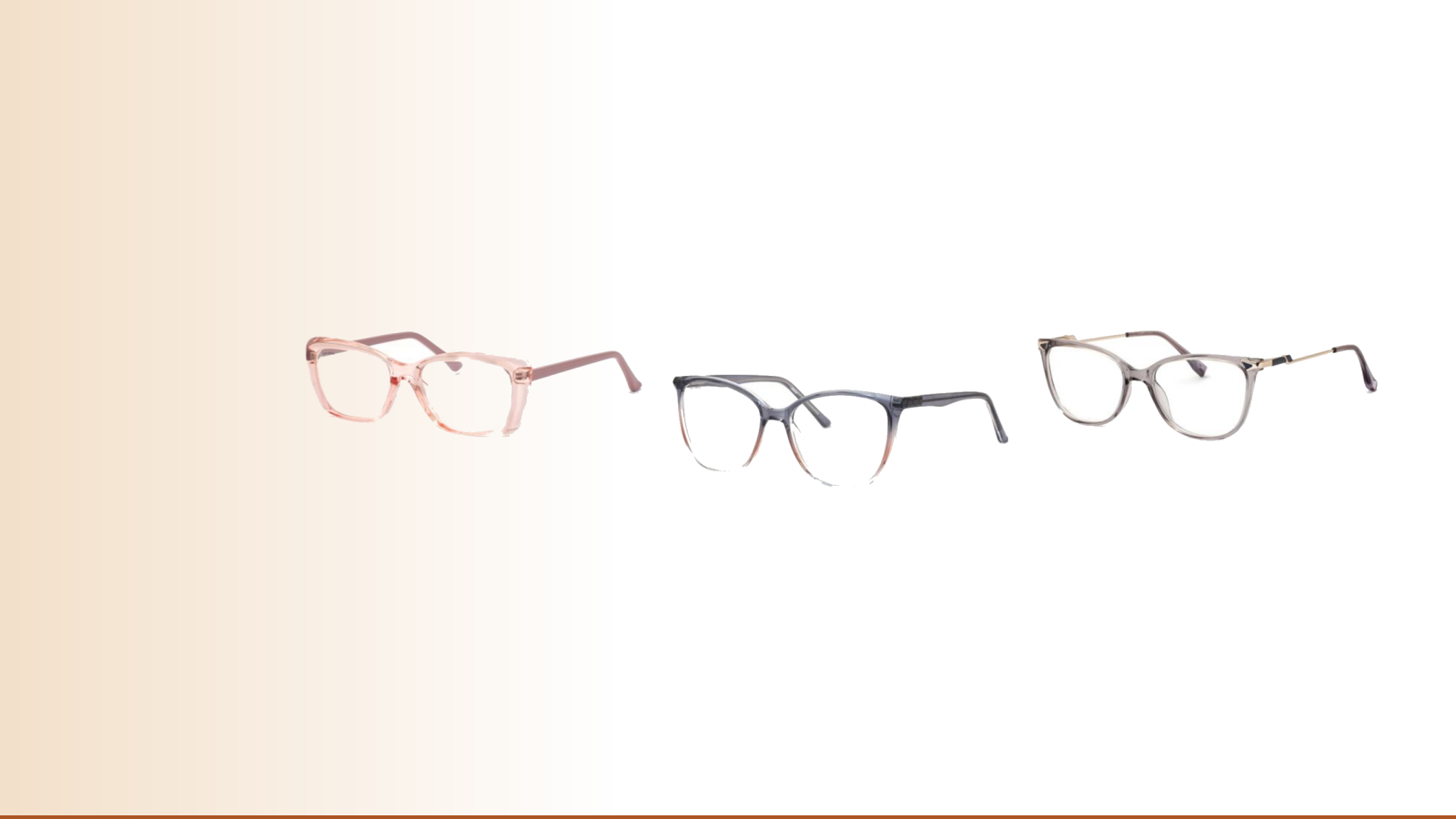
Blue light reading glasses combine a screen-oriented lens filter with magnification. They may suit someone who already needs help with near text and wants one pair for reading a phone, tablet or computer. The magnification is the feature that makes text appear larger; the blue light filter does not replace that power.
Aweh Eyewear offers blue light reading glasses in common ready-made strengths, with men’s, women’s and unisex frame options.
How do I choose the right reader strength?
Use the weakest strength that lets you read comfortably at your normal working distance. Do not choose a stronger lens simply because it makes text look larger during a quick test. Reading distance, screen size and your existing vision all affect comfort.
- No magnification needed: choose a non-prescription or plano lens.
- Small text is difficult at close range: consider a ready-made reader strength.
- Different vision in each eye or ongoing symptoms: book an eye examination.
- Moving between indoors and sunlight: consider photochromic glasses, noting that performance varies by lens and conditions.
Screen comfort involves more than a lens
Digital discomfort can also be linked to reduced blinking, dry eyes, glare, poor screen position or an uncorrected vision problem. Take regular distance breaks, blink deliberately, reduce reflections and position the screen at a comfortable height. Persistent pain, double vision, sudden changes or severe headaches need professional assessment.
Quick comparison
| Lens type | Magnification | Typical use |
|---|---|---|
| Non-prescription blue light glasses | None | Screen use without reading correction |
| Ready-made reading glasses | Yes | Near text and close work |
| Blue light reading glasses | Yes | Near work on screens |
| Custom prescription glasses | Individual | Correction based on an eye examination |
Explore the full Aweh Eyewear blue light glasses collection in South Africa and choose between plano, reader and photochromic options.
Reference: College of Optometrists position statement on blue-blocking spectacle lenses. General information only; consult an optometrist for individual advice.
Related Aweh Eyewear guides
- How to measure glasses frame size at home
- Shop non-prescription blue light glasses
- Shop blue light reading glasses
Editorial note: Read how Aweh Eyewear prepares product information and evidence-aware eyewear guides.